AI Stock Concentration Is Bad in the US — It's Worse Overseas
US markets get heat for AI overexposure, but international indexes carry even heavier concentration risk. Here's what traders need to know.
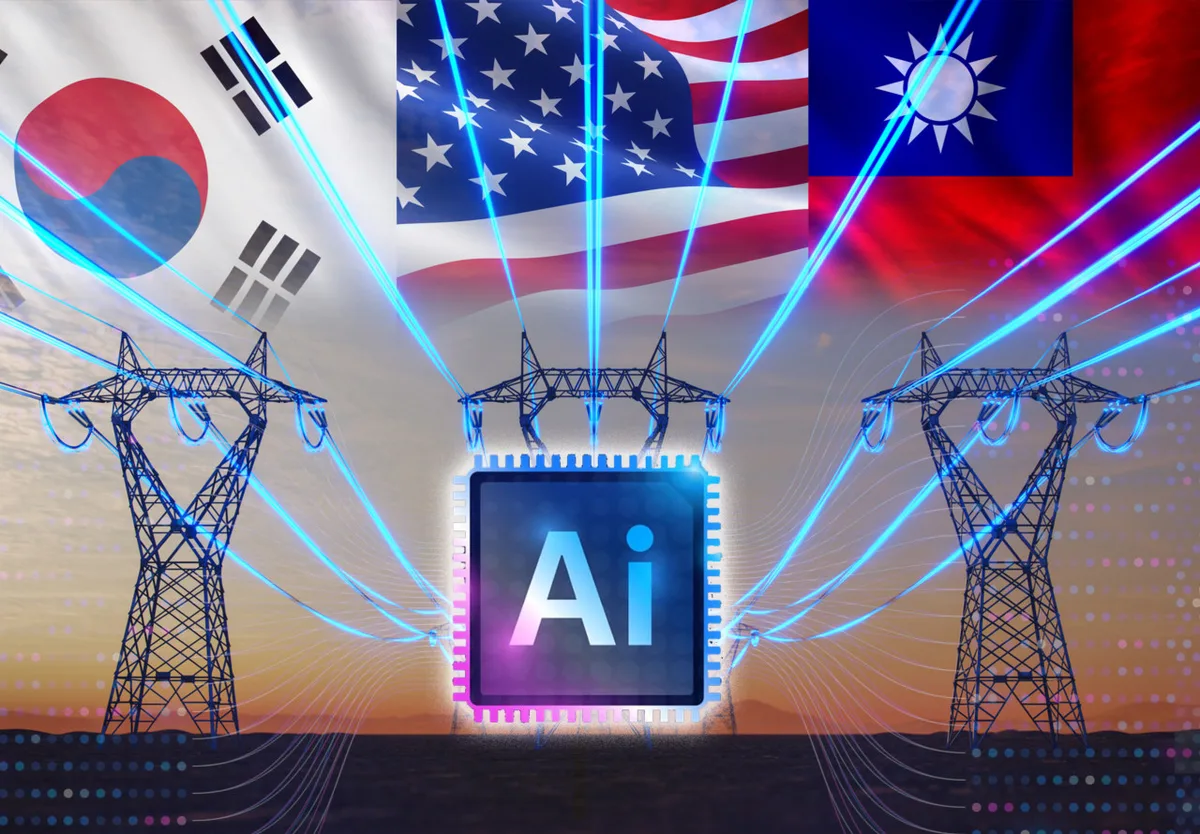
Everyone loves to roast the S&P 500 for being a glorified AI ETF at this point. Fair critique. But if you're rotating into international stocks to escape concentration risk, pump the brakes — it's actually worse out there.
Stock-market concentration isn't a uniquely American problem. Global indexes outside the US are carrying their own lopsided bets on AI-adjacent names, and in many cases the top-heavy weighting is more extreme than what you'll find stateside. Diversifying geographically doesn't automatically mean diversifying away from the same thematic risk.
Read more Adobe Stock Looks Cheap — But Is the AI Risk Real? →
This matters for your portfolio right now. If you bought international ETFs thinking you were hedging your Magnificent Seven exposure, you may have just doubled down on the same trade wearing a different flag. Concentration risk travels. It doesn't respect borders.
The practical takeaway is straightforward: before you call your international allocation a hedge, look under the hood. Check what's actually driving returns in those funds. Spoiler — it's often the same AI infrastructure and semiconductor story, just listed on a different exchange.
Bottom line: the global equity market is more correlated around the AI theme than most retail traders realize. That's not necessarily a reason to sell, but it is a reason to stop pretending you're diversified when you're not. Continue reading at MarketWatch.com