Aortic Dissection Risk: What Lindsey Graham's Death Reveals
Lindsey Graham died from a rare but deadly heart condition. Here's what you need to know about your own risk.
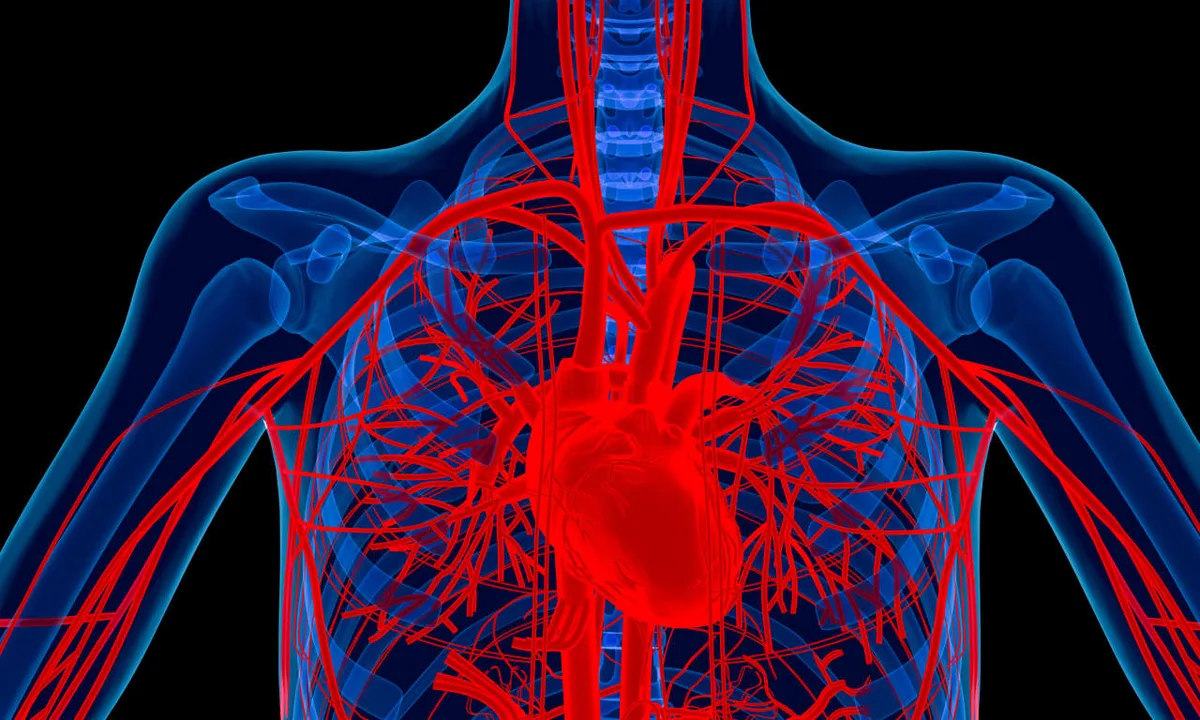
Lindsey Graham's sudden death from an aortic dissection put a rare but devastating condition into the national spotlight. Most people have never heard of it — until it's too late. That needs to change.
An aortic dissection happens when a tear forms in the inner layer of the aorta, the major artery carrying blood from your heart. Blood forces its way through that tear and can split the artery wall apart. It's fast, it's brutal, and it kills without warning.
Read more Blood Clots in Pro Athletes: What Jalen Hurts' Case Tells Us →
The good news: these events are extremely rare in the general population. The bad news: if you carry certain risk factors, you're playing a different game entirely. A family history of aortic dissection bumps your odds significantly. So does a diagnosis of genetic syndromes like Marfan syndrome or Ehlers-Danlos syndrome, which directly affect connective tissue in blood vessel walls. If those conditions run in your family, you need to be talking to your doctor — not someday, now.
High blood pressure is another major driver. Chronically elevated pressure puts constant mechanical stress on artery walls, accelerating the wear that can eventually lead to a tear. This is one of those cases where managing your blood pressure isn't just about avoiding a stroke decades from now — it could prevent a catastrophic event tomorrow.
The brutal reality about aortic dissections is that they mimic other conditions. Sudden severe chest or back pain gets written off. By the time a correct diagnosis is made, the window for intervention can close fast. If you have known risk factors, make sure your primary care doctor and any specialists on your team are looped in. Early imaging and monitoring can literally be the difference between life and death. Continue reading at MarketWatch.com.