Bitcoin BIP-110 Debate Shows Crypto's Free-Market DNA
The BIP-110 episode reveals how Bitcoin's open governance mirrors raw free-market capitalism. Here's what traders need to know.
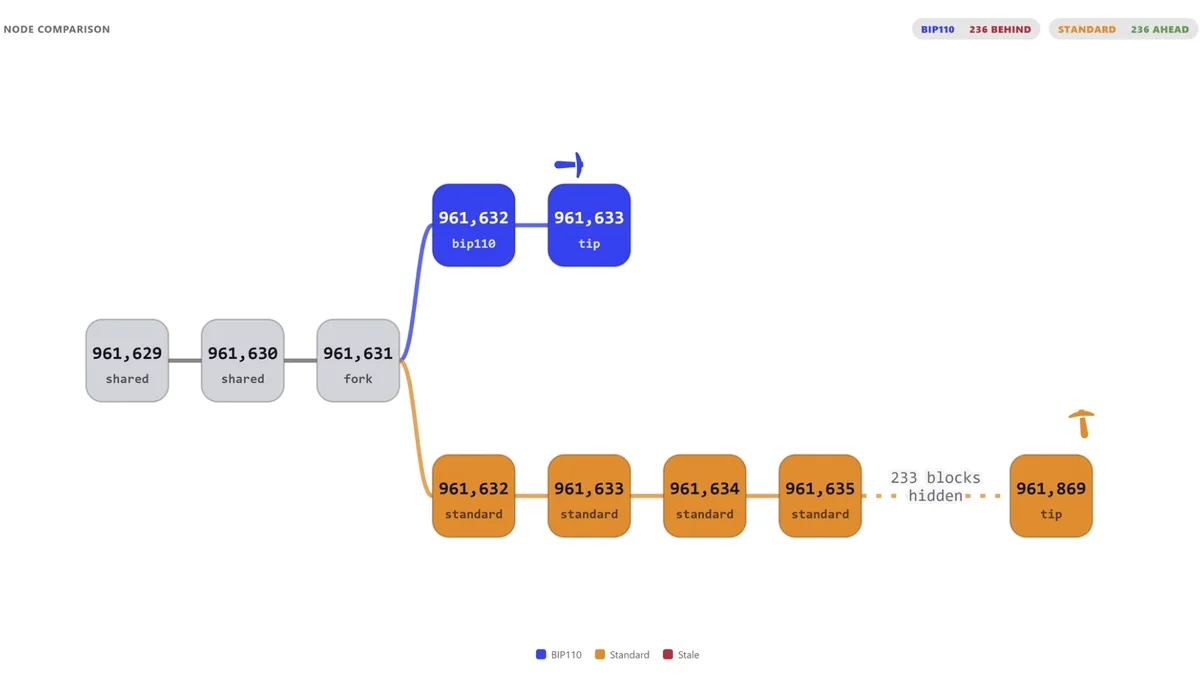
Bitcoin doesn't have a board of directors. It doesn't have a CEO who can ram through a product update on a Tuesday afternoon. What it has is a messy, contentious, beautifully anarchic process — and the BIP-110 episode is a textbook example of that process working exactly as designed.
BIP-110, like every Bitcoin Improvement Proposal before it, had to survive the gauntlet. Developers, miners, node operators, and everyday holders all get a vote — not a formal one, but a real one. Run the software or don't. Upgrade or reject. That's the market speaking, and the market is ruthless.
Read more Cardinal Health Price Target Raised After Strong Profit Outlook →
What makes this moment worth paying attention to as a trader is the signal underneath the noise. When the Bitcoin community pushes back hard on a proposal, it's not dysfunction — it's the network's immune system doing its job. Contentious forks and rejected BIPs historically create short-term volatility, but they also reinforce the credibility of Bitcoin's decentralized governance over the long run. That credibility is a core part of the asset's value proposition.
Legacy financial markets have regulators, lobbyists, and closed-door meetings to resolve disputes. Bitcoin has a public mailing list and a GitHub repo. Rough consensus is the only consensus that matters. No single actor can force the network's hand, which is precisely why institutional money has slowly warmed to Bitcoin as a store of value rather than a speculative toy.
If you're trading Bitcoin, governance drama is a buying signal as often as it is a selling one. The friction IS the feature. Every time the community brawls in the open and the network survives intact, Bitcoin proves the thesis all over again. Continue reading at CoinDesk.