Bond Market Challenges Warsh's Inflation Stance as Yields Spike
30-year Treasury yields hit a 17-year high during Warsh's press conference, signaling traders aren't buying the inflation-fight rhetoric.
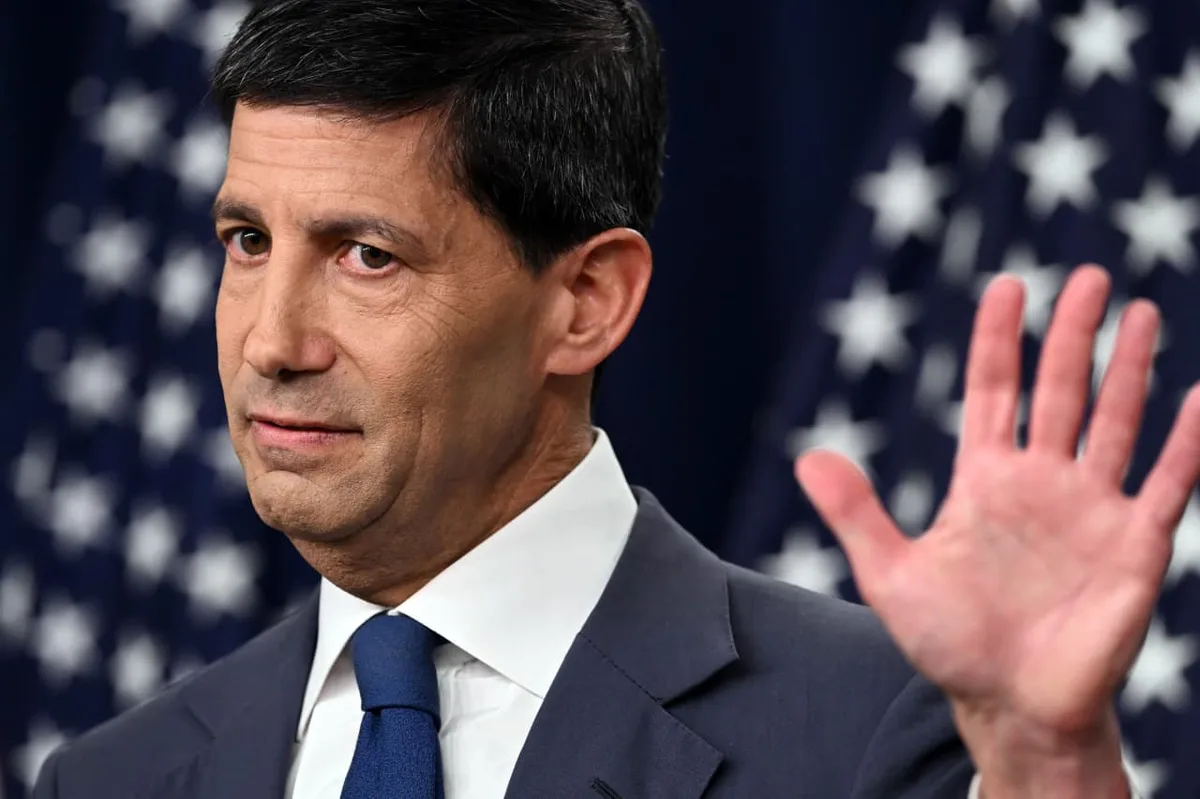
The bond market has a way of cutting through the noise, and right now it's sending a loud message: it doesn't believe the tough talk on inflation. During Kevin Warsh's press conference, the 30-year Treasury yield climbed to its highest point since 2007 — a brutal, real-time rebuke from the market itself.
When long-end yields surge like this, it means bond traders are demanding more compensation to hold U.S. debt over the long haul. That's not a vote of confidence. That's the market pricing in persistent inflation, fiscal risk, or both. Either way, it's a problem that doesn't get solved with words alone.
Read more Treasury Yields Surge to 2007 Highs During Warsh Briefing →
Warsh has positioned himself as a credible inflation hawk, but credibility in this game is earned in the market, not at a podium. A 30-year yield at levels not seen since 2007 tells you traders aren't convinced the Fed — or any Washington figure — has a real grip on the inflation story. The pressure is on to back the rhetoric with action.
For retail traders, this matters directly. Higher long-duration yields hit growth stocks, pressure mortgage rates, and reprice risk across the entire portfolio. If you're holding rate-sensitive positions, this move is not background noise — it's the main event. Watch how the long end behaves in the sessions ahead; it's your clearest read on whether the market starts buying what policymakers are selling.
Continue reading at MarketWatch.com