Bots Are Winning the Ticket Wars — And You're Losing
Automated bots are dominating ticket queues for concerts and trains. But bots aren't the whole story.
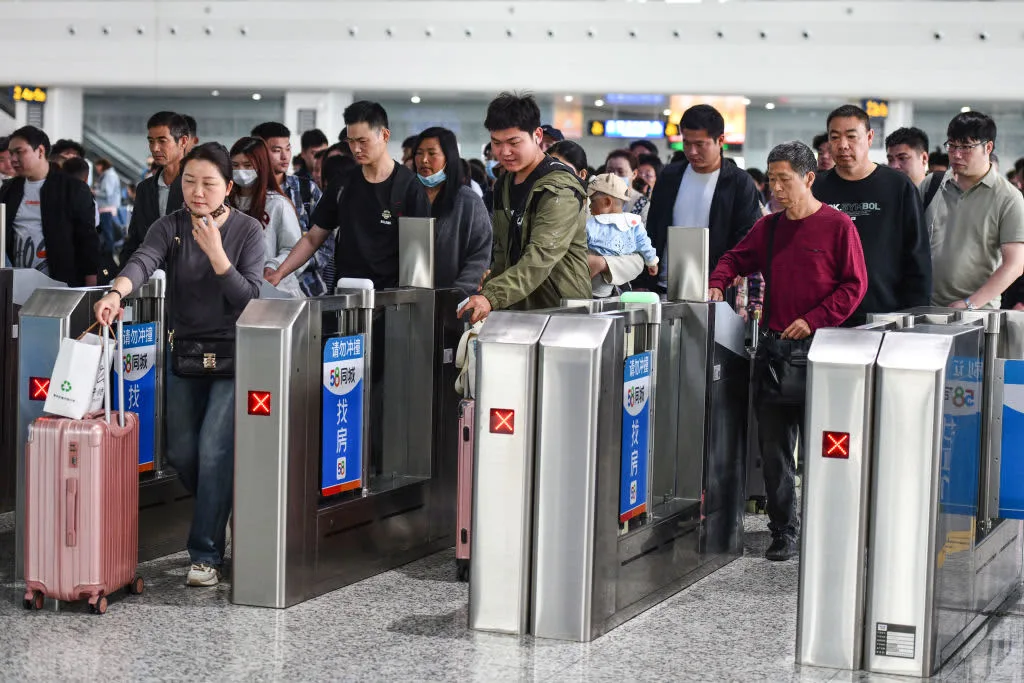
You've been there. You log on the second tickets drop, wait in a virtual queue, and somehow still end up empty-handed. Meanwhile, scalpers are listing those same seats for triple the price before the show even sells out. Bots are eating your lunch, and they're getting faster.
Automated bots have become the primary weapon in the modern scalping arsenal, targeting everything from stadium concerts to train reservations. These programs can blast through ticket queues in milliseconds — speeds no human can match. By the time your browser loads the checkout page, a bot has already claimed hundreds of seats.
Read more Trump Admin Clears Anthropic's Mythos AI for Select Firms and Agencies →
But here's what the conversation keeps missing: bots are only part of the problem. Even if every bot disappeared tomorrow, the structural issues — limited inventory, opaque pricing, and weak resale regulation — would still leave ordinary buyers at a disadvantage. The ticket market was broken before bots showed up, and it'll stay broken if the fix stops there.
For traders watching this space, think of it like market microstructure. High-frequency algorithms didn't create the conditions for front-running; they just exploited an already uneven playing field. Fixing the tech without fixing the rules is a band-aid on a bullet wound. Venues, regulators, and platforms all share the blame — and the responsibility for real reform.
If you're tired of getting outmaneuvered on ticket drops, the pressure needs to go beyond demanding bot bans. Push for transparent resale caps, verified fan queues, and real enforcement. Until then, the bots — and the humans behind them — keep winning. Continue reading at US Top News and Analysis.