Climate Volatility Is Blindsiding Commodity Markets Right Now
Strategists warn traders are sleeping on climate risk. From El Niño to European heat, weather is moving markets fast.
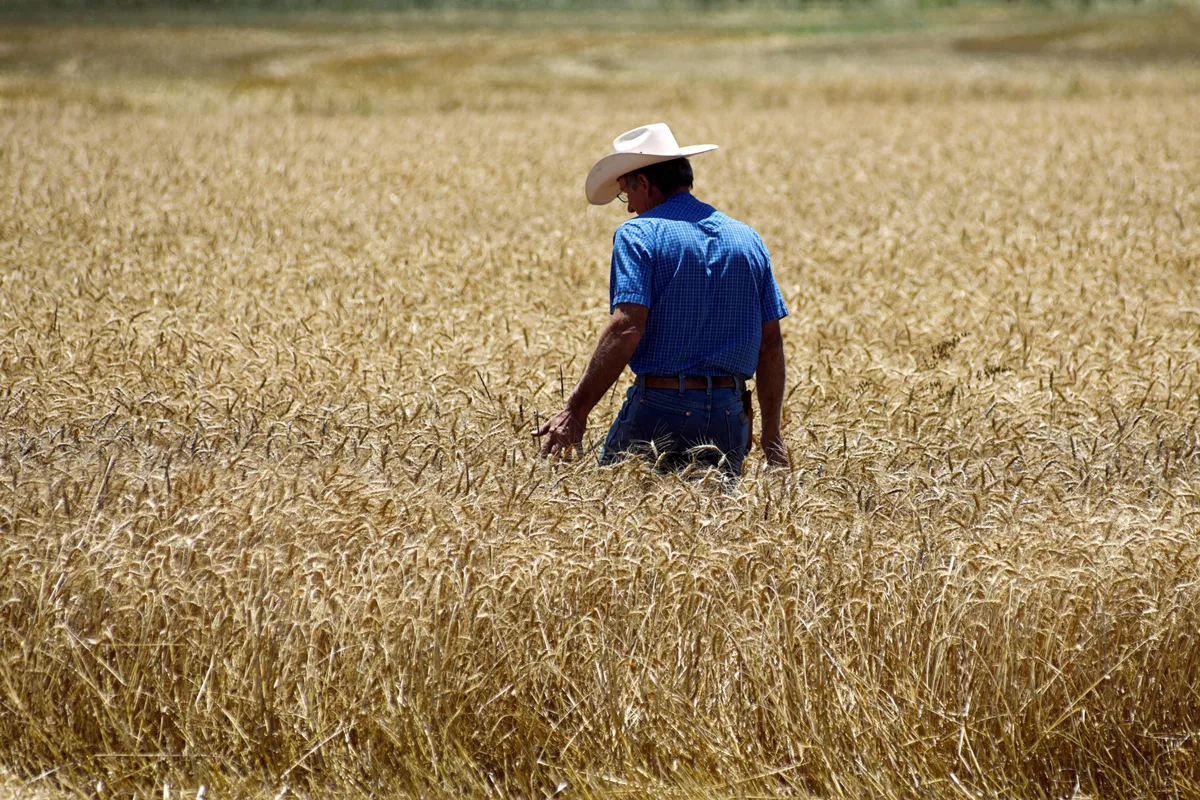
You're probably not pricing in enough weather risk. That's the blunt message from commodity strategists who say markets are systematically underestimating how climate volatility is hammering everything from agricultural futures to energy contracts. This isn't a slow-burn ESG story — it's a here-and-now trading problem.
A so-called 'Super El Niño' is already disrupting supply chains for soft commodities, while extreme heatwaves scorching Europe are stressing power grids and pushing energy prices in directions that standard seasonal models simply aren't capturing. When the weather breaks records, your historical playbook breaks with it.
Read more Prediction Markets Flag Coinbase Q2 Trading Volume Miss →
The core issue is that most commodity pricing models were built on decades of relatively stable climate patterns. Volatility of this magnitude — stacking El Niño effects on top of regional heat extremes — creates compounding supply shocks that models weren't designed to handle. Strategists say that gap between model output and real-world conditions is where traders are getting burned.
For retail traders watching ag futures, energy contracts, or even freight derivatives, the takeaway is straightforward: weather is no longer a seasonal footnote. It's a primary macro driver. Ignoring it means you're trading with a blindfold on in one of the most active volatility environments commodity markets have seen in years.
Continue reading at US Top News and Analysis