Comcast-NBCU Spinoff: What History Says About Media Splits
Comcast plans to separate its cable and broadband unit from NBCUniversal, but media spinoffs have a checkered track record for investors.
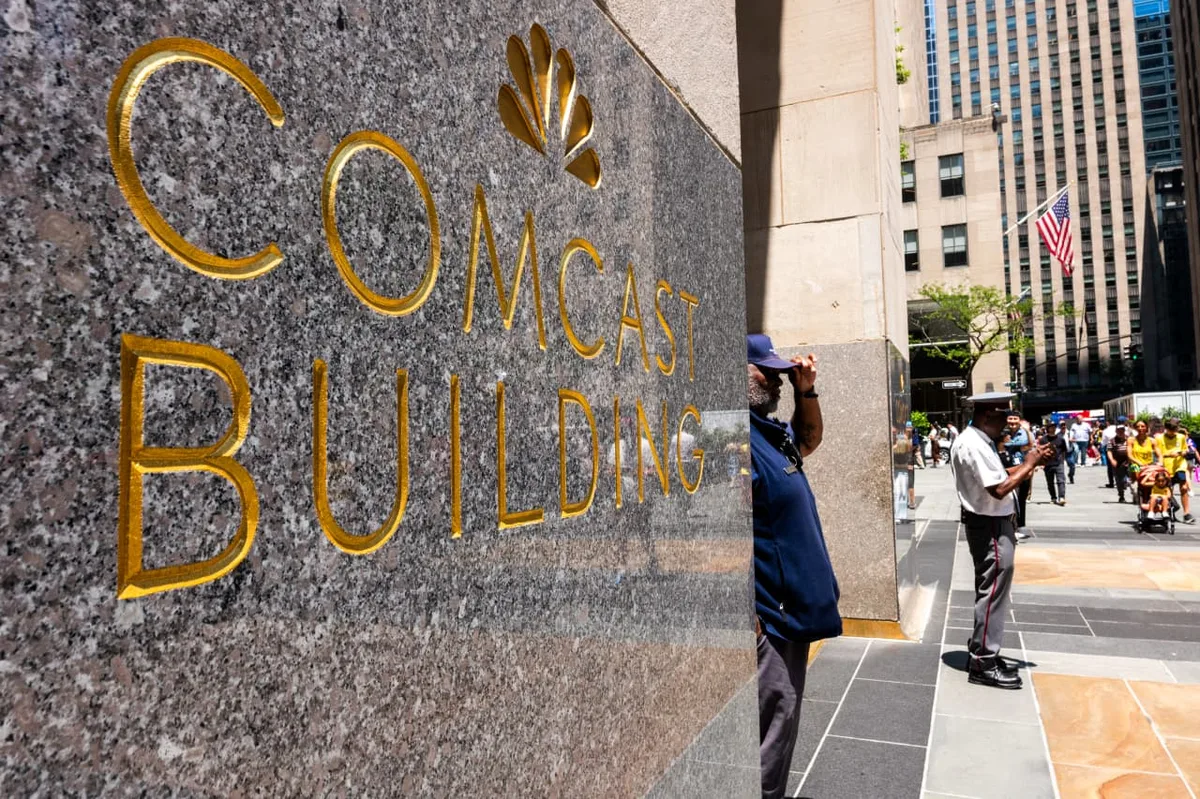
Comcast is betting big that splitting its cable and broadband operations from NBCUniversal will unlock hidden value — but if you're holding shares and hoping for a windfall, history says pump the brakes. Media spinoffs don't have a clean win record, and that matters when you're deciding whether to hold, buy more, or walk away.
The core thesis from Comcast is straightforward: two focused businesses are worth more than one sprawling conglomerate. Cable and broadband generate steady, predictable cash flows. NBCUniversal — with its streaming ambitions, theme parks, and legacy TV assets — is a completely different animal. The argument is that investors in each unit will better understand what they own, and markets will price both more efficiently.
Read more AbbVie Stock Pulls Back After Six-Day Win Streak Ends →
But here's the rub. Media spinoffs have historically delivered mixed outcomes, not the clean doubles that deal optimists tend to promise. Some splits create real shareholder value by forcing management accountability and sharpening strategic focus. Others just redistribute the same problems into two smaller, less diversified packages — with added separation costs on top.
For retail traders, the playbook here is to watch which entity gets saddled with the debt and which one walks away lean. Spinoffs that load the legacy or slower-growth business with liabilities while handing the growth vehicle a clean balance sheet tend to reward shareholders in the spun-off unit. The reverse trade can get ugly fast. Until Comcast discloses the capital structure details of this split, the value-unlock story remains more pitch than proof.
This is a situation worth tracking closely, not chasing blindly. The announcement sets a direction, but the deal terms will determine whether this is a genuine catalyst or just a corporate reshuffling dressed up as strategy. Continue reading at MarketWatch.com