Copper Price Gap Between Exchanges Signals Tariff Risk
A widening copper spread between two metals exchanges has become traders' go-to real-time signal for Trump tariff moves.
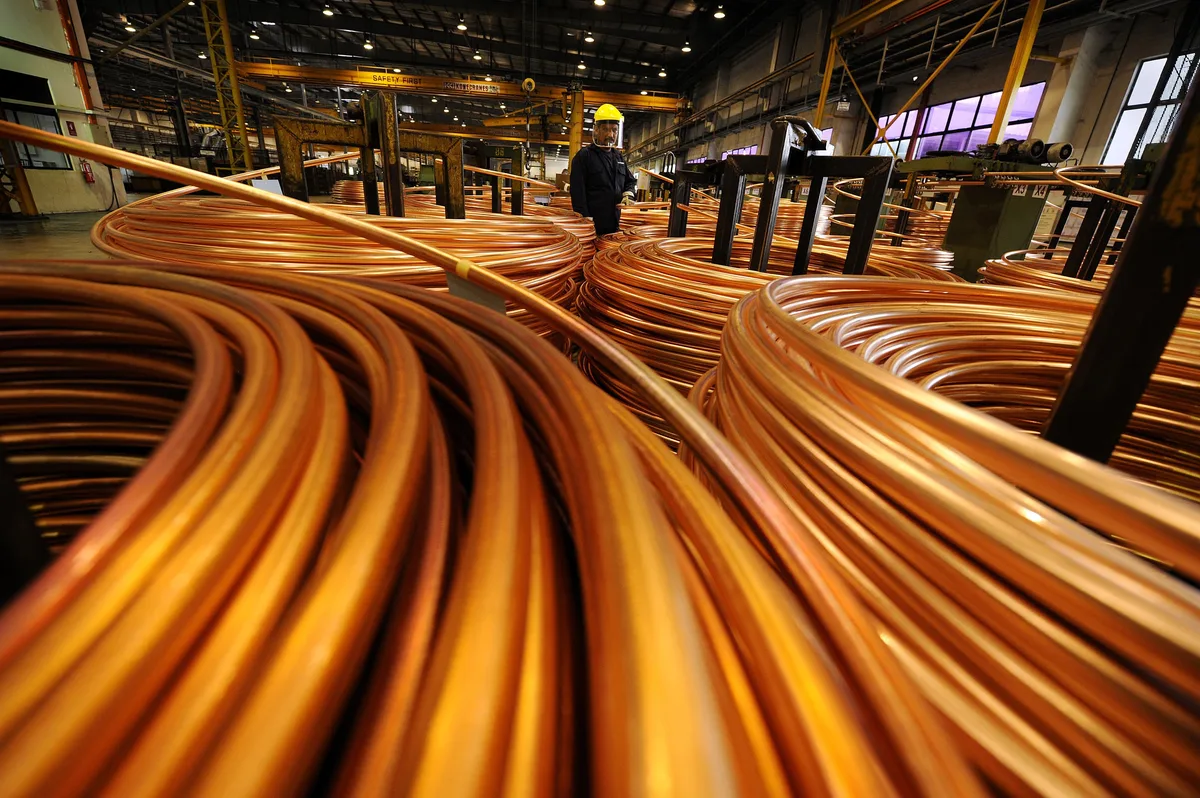
You want a live read on where Trump's tariff policy is heading next? Stop scrolling Twitter and watch copper. Specifically, watch the price gap between two major metals exchanges — it's quietly become one of Wall Street's sharpest real-time indicators of U.S. tariff risk.
The trade is niche, but the signal is loud. When the spread between the two exchanges widens, it's telling you that traders are pricing in a higher probability of new or escalating U.S. tariffs on copper imports. The divergence reflects market participants physically moving — or betting on moving — metal to exploit regulatory arbitrage before policy tightens.
Read more Star Equity Buying Harte Hanks at $5 Per Share in Cash Deal →
This kind of spread trading isn't new, but its relevance has exploded in the current environment. Every time the administration floats a new tariff threat, this copper gap reacts faster than most traditional macro indicators. It's a direct, transactional vote by people with real money on the line — not a survey, not a model.
For retail traders, the takeaway is simple: add this spread to your dashboard. If you're trading commodities, industrials, or even broader risk assets, a sudden widening here is a yellow flag worth respecting. It won't tell you exactly what's coming, but it tells you that the smart money smells something brewing in Washington before the headlines drop.
Continue reading at US Top News and Analysis.