Germany Plans 25% Flat Crypto Tax, Ending One-Year Exemption
Berlin's finance ministry drafted a bill replacing Germany's tax-free crypto rule with a 25% capital gains rate for assets bought after 2027.
Germany's Federal Ministry of Finance has drafted a bill that would kill the country's famous one-year crypto tax exemption — the perk that made German HODLers the envy of Europe. Under current law, hold any crypto for twelve months and your gains are completely tax-free. The new draft would replace that with a flat 25% capital gains tax, mirroring what Germany already charges on dividends and stock profits. Add the solidarity surcharge and you're looking at roughly 26.4% effective rate on every gain, no matter how long you held.
Here's the part that actually matters for your positioning: the new rules only hit crypto bought on or after January 1, 2027. Anything you acquired before that date keeps today's tax-free-after-one-year treatment — that's the grandfathering clause. Exchanges won't even start withholding at the source until 2028, giving platforms a year to build reporting infrastructure. So the immediate impact is psychological, not financial. But if you're a long-term German holder sitting on gains, you need to start thinking about disposal timing before that 2027 cutoff arrives.
Read more GOP Pushes Stock-Trading Ban for Congress Amid Trump Trade Surge →
The revenue projections tell you exactly how Berlin is framing this: €160 million in 2028, climbing to roughly €350 million annually by 2031. That's not a budget lifeline — it's a structural cleanup, folding crypto into the existing Abgeltungsteuer capital income framework. The €1,000 saver's allowance still applies, and crypto losses can offset gains from other assets including shares, which softens the blow somewhat.
Don't treat this as a done deal. This is a ministry draft, not legislation. It hasn't touched the Bundestag or Bundesrat, and a similar proposal from the Green Party was already killed in the Bundestag's Finance Committee in May. The Ministry hasn't even fully responded to questions about the text, and nobody has clarified how this regime would interact with the EU's DAC8 crypto reporting rules already rolling out across member states. Legislative risk here is very real.
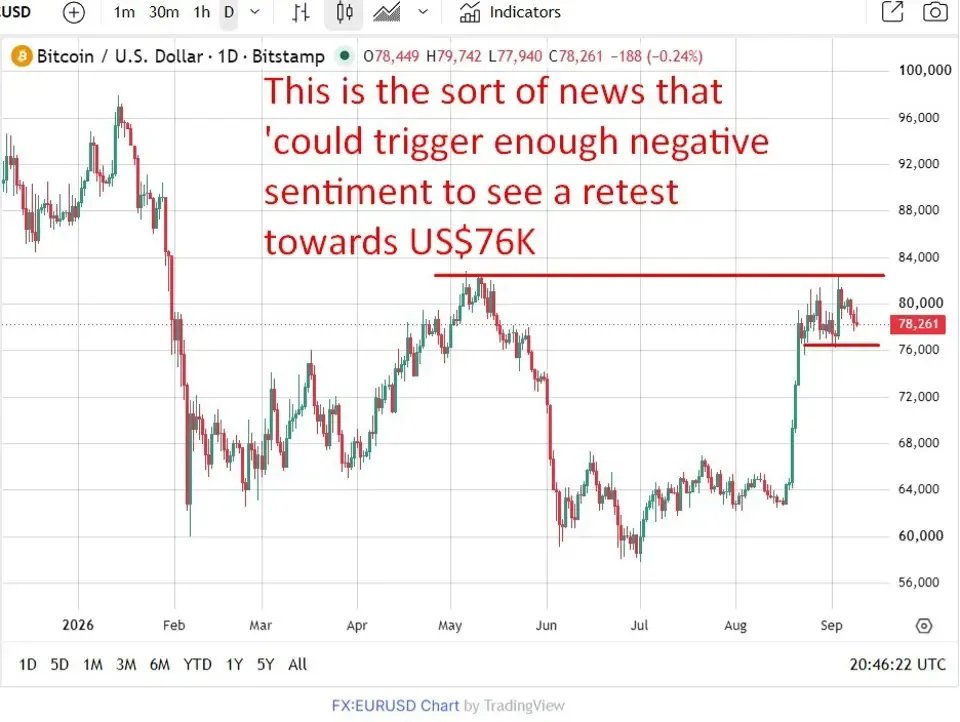
The tradeable angle is simple: sentiment hit now, actual impact later. German holders with large unrealized gains have a window to act under the current rules. Watch whether this draft advances to formal parliamentary debate — that's when pricing in becomes warranted. Continue reading at Forexlive.