GoPro's Fall: How Smartphones Killed a Camera Icon
GoPro went from viral sensation to niche product as smartphone cameras made it obsolete for most consumers.
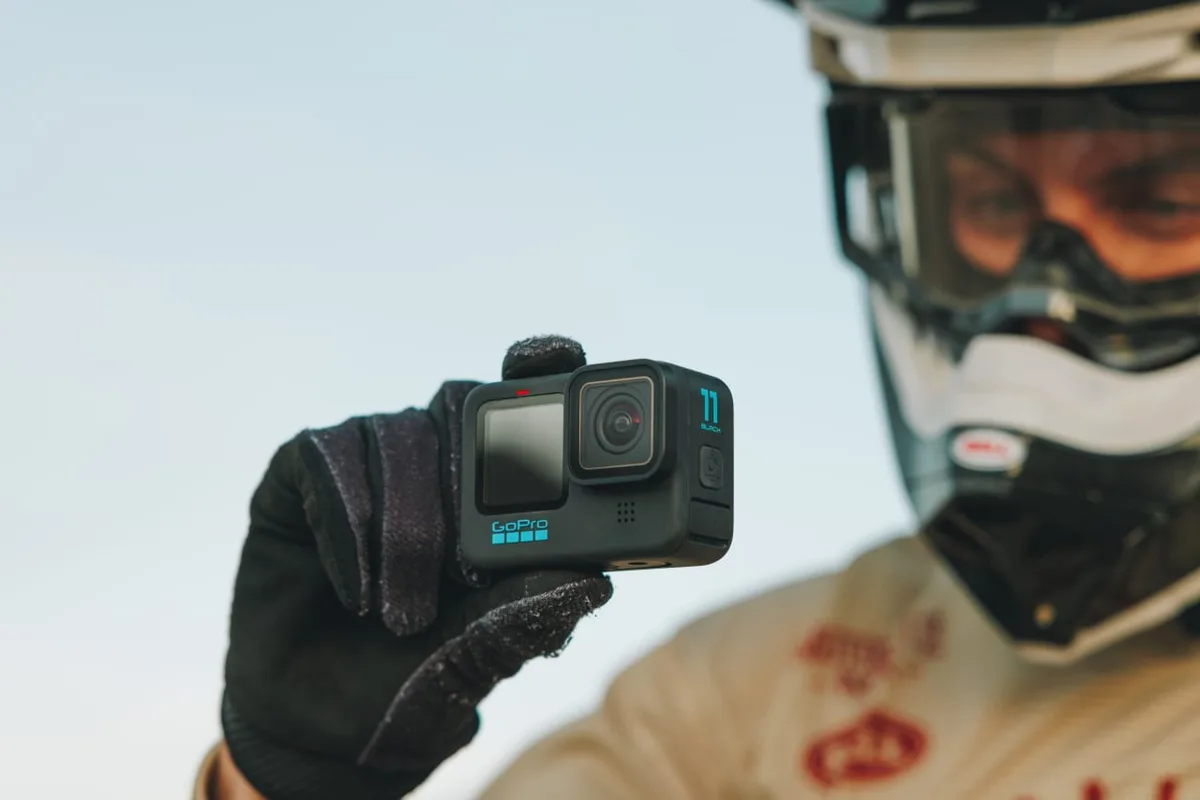
GoPro was once the coolest camera you could strap to your helmet. Now it's basically a specialty item gathering dust in the discount bin. That's the brutal reality analysts are spelling out as smartphone technology continues to eat the action-camera market alive.
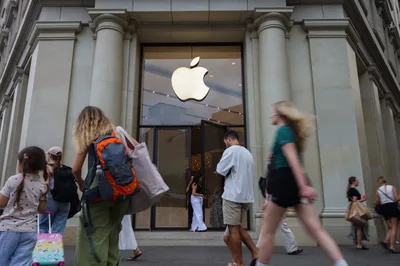
The core problem is simple: your iPhone shoots stunning video, survives a splash, and fits in your pocket. For the average consumer, that's enough. GoPro no longer has a compelling answer to that argument. One analyst put it bluntly — the brand only matters now to hardcore sports enthusiasts and professional creators. That's a tiny slice of the market compared to where GoPro once played.
Read more Johnson & Johnson Stock Rally Has More Room to Run, Analysts Say →
Think about the trajectory. GoPro rode a wave of viral surf and skate footage to become a household name. Celebrities used them. Tourists strapped them to selfie sticks. The stock peaked near $90 back in 2014. Then smartphone cameras got good. Then they got great. Then they got ridiculous. GoPro's mass-market appeal quietly evaporated with each iPhone and Android upgrade cycle.
For traders, this is a cautionary tale about hardware companies that fail to evolve when software-driven competitors — namely, the smartphone duopoly — decide to encroach on their turf. GoPro never successfully pivoted to a recurring-revenue model or a software ecosystem that could justify loyalty beyond the device itself. Without that stickiness, you're just selling a gadget in a world full of better gadgets.
If you're holding GPRO or eyeing it as a value play, ask yourself: what's the catalyst? The analyst community doesn't see one. The moat is gone. Continue reading at MarketWatch.com