Iran Faces Oil Inventory Glut Even If Sanctions Are Lifted
Sanctions relief won't be a magic fix for Iran. A global supply glut and cooling Chinese demand are standing in the way.
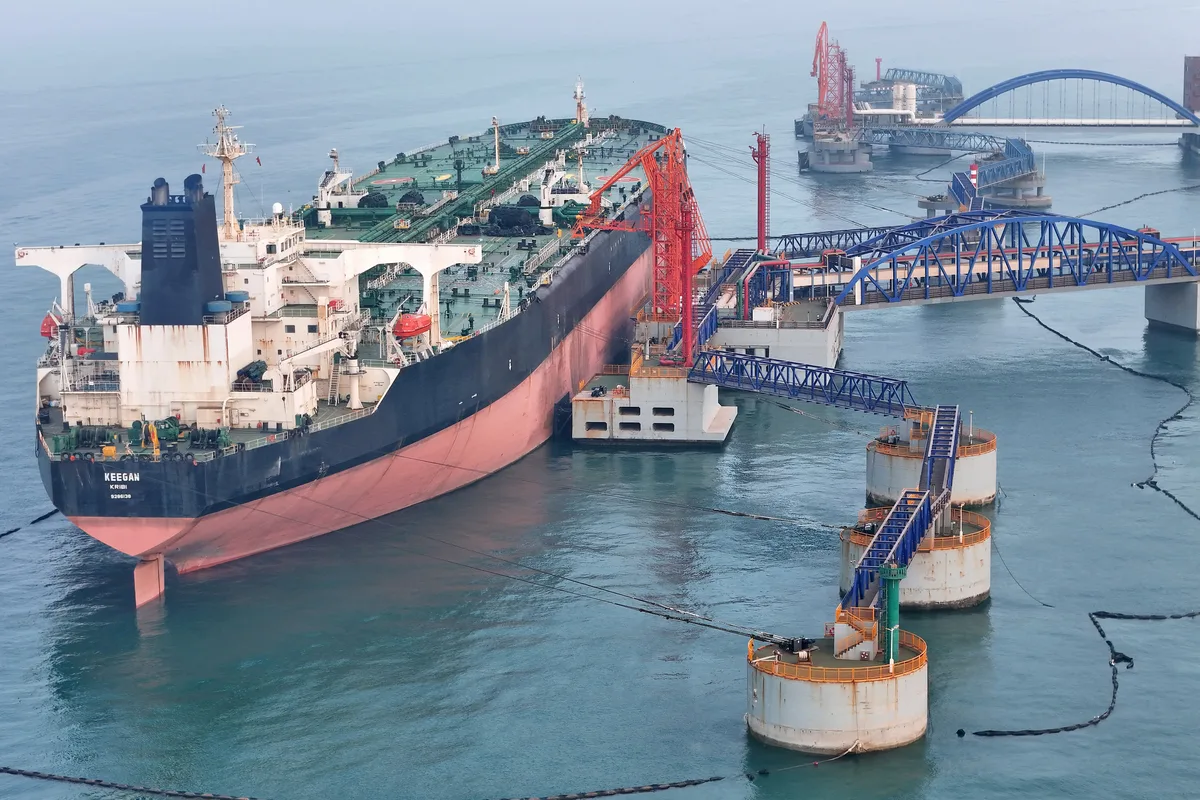
Don't expect Iran to flood the market and cash in the moment sanctions come off. The reality is messier, and if you're trading crude, you need to understand why this story is more bearish than the headlines suggest.
Iran has been sitting on significant oil inventories, and the assumption that lifting restrictions automatically unlocks a wave of export revenue is too simplistic. Global oil supplies from other producers haven't been standing still. There's competition out there, and Iran is walking back into a crowded room.
Read more VanEck's SMH ETF Is Up 64% in 2025 Without Owning Apple →
The bigger problem is China. Beijing has been the go-to buyer for sanctioned Iranian crude, often at steep discounts. But Chinese appetite for oil is cooling — the country's economic momentum has softened, and its refiners aren't scrambling for barrels the way they once were. That changes Iran's leverage dramatically. The discount buyer is becoming a reluctant buyer.
For traders, this creates a nuanced setup. Sanctions relief was supposed to be a bullish wildcard for oil bulls betting on supply tightness — the thinking being that the threat of Iranian barrels kept a lid on prices. But if Iran can't actually move those barrels efficiently, the supply overhang stays theoretical. Watch Chinese import data closely. That's your real signal on whether Iran can execute a meaningful return to global markets.
The bottom line: geopolitical headlines will keep this story noisy, but the fundamentals say Iran's path back to relevance in oil markets is slower and harder than the news cycle implies. Continue reading at US Top News and Analysis.