Iran Hits Qatar and UAE as Hormuz Closure Rattles Oil Markets
Tehran expands Gulf strikes and shuts Hormuz again. US hits 300+ Iranian targets. Oil traders face a fresh supply-risk premium.
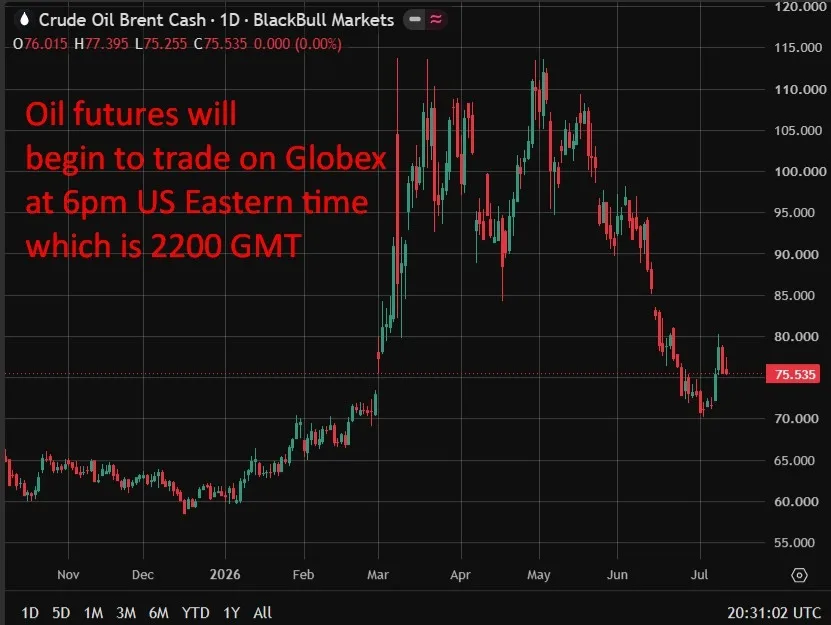
This weekend just handed energy traders a wake-up call they can't ignore. Iran broadened its missile and drone campaign to Qatar and the UAE — both largely spared for months — while also hitting Jordan, Kuwait, and Oman. Tehran's Persian Gulf Strait Authority declared the Strait of Hormuz closed again, conditioning any resumption of transit permits on a return of "stability and calm." That's not a throwaway line. Roughly 20% of global oil supply moves through that chokepoint.
The US hit back hard. Central Command reported strikes on more than 300 Iranian military targets across three nights, including 140 on Saturday alone. That included Iranian missile and air defence systems and IRGC speedboats operating near the strait, per Axios. Washington insists a southern shipping route remains open, but war-risk insurance rates and freight costs are already moving. Don't wait for the official price reaction — the market is repricing right now.
Read more 3 Stocks Top Wall Street Analysts Back for Long-Term Gains →
The supply picture just got tighter on two fronts. First, the Hormuz closure threat. Second, the revocation of the licence allowing Iranian crude sales is pulling barrels off the market. That's a straightforward bullish setup for benchmark crude. The one thing that could cap the rally? US midterm politics. Gasoline prices are a third rail, and Washington has every incentive to keep that southern corridor functional — even by force.
There's one more wildcard you need to watch. Iran's new supreme leader, Mojtaba Khamenei — who took power after his father was killed in the February strike that started this war — has now publicly vowed revenge via a written statement aired on state television. His continued low public profile since assuming leadership adds genuine uncertainty about Tehran's command structure. Markets tend to price that kind of ambiguity as elevated escalation risk, and they're probably right to do so.
Continue reading at Forexlive.