Iran War Oil Spike Created Winners — But the Long Game Is Harder
The U.S.-Iran conflict juiced oil markets and minted quick profits. Holding that trade long-term is a different story.
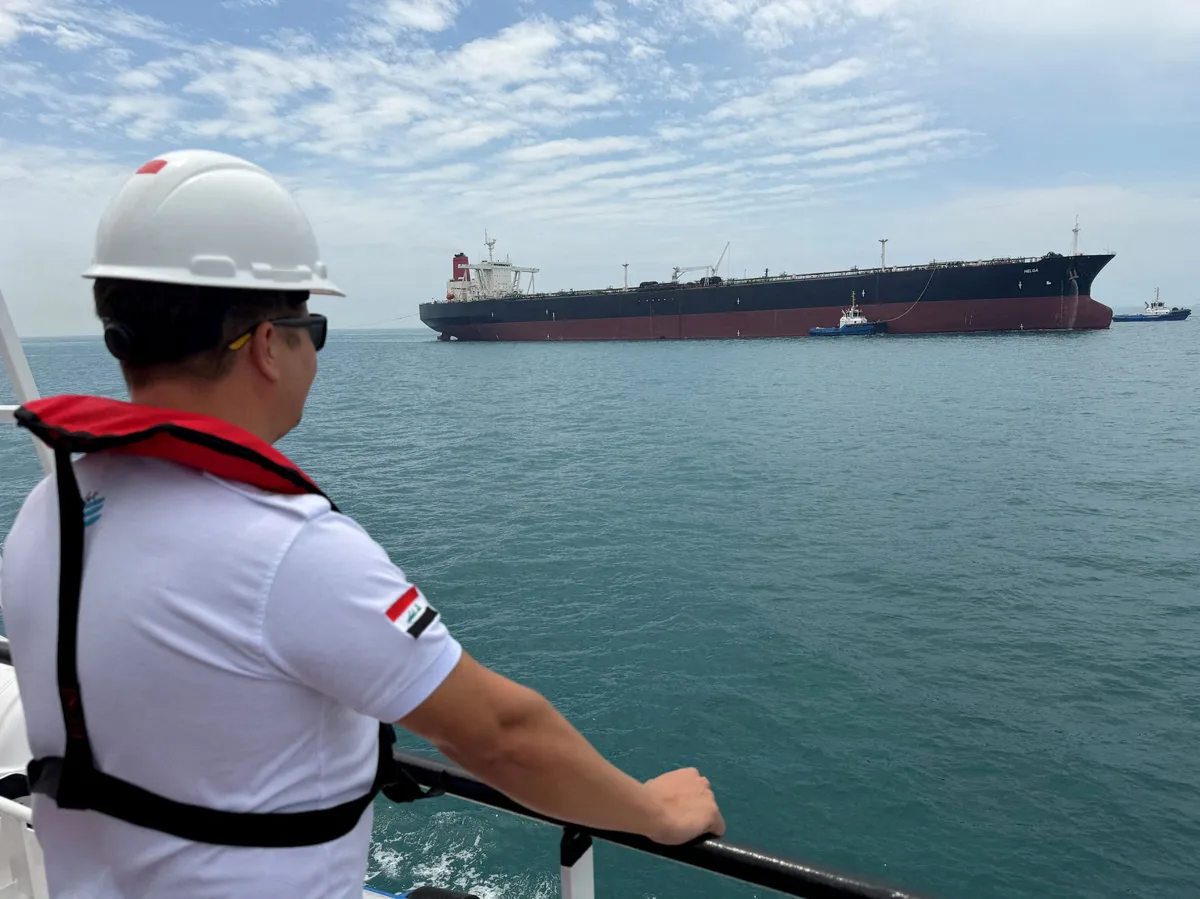
The U.S.-Iran war gave oil traders exactly what they crave: a sharp, fear-driven spike. Volatility surged, and fast-moving investors who positioned early walked away with serious gains. If you caught that move, good on you. But now comes the harder question — what do you do next?
Staying long oil purely on geopolitical tension is a dangerous game. War premiums fade. Once the immediate fear subsides, crude has a habit of giving back gains faster than it built them. Betting on sustained high prices because of a single conflict is the kind of trade that looks brilliant in hindsight and painful in real time.
Read more Apple's AI Premium Looks Hard to Justify Right Now →
According to CNBC's analysis, buy-and-hold investors should be looking past the Iran headline and toward longer-term energy themes instead. The implication is clear: the smarter money isn't chasing this spike — it's identifying structural trends that outlast any one geopolitical flare-up. Think energy transition dynamics, supply infrastructure, or demand shifts that don't depend on the next missile headline to stay relevant.
The lesson here isn't that geopolitical trades are worthless — they're not. Short-term, they can be gold. But if you're a retail investor thinking about sizing up an oil position because of Iran, ask yourself whether you're trading a thesis or trading a headline. Those are two very different risks, and the market will remind you of that difference brutally if you mix them up.
Continue reading at US Top News and Analysis.