IRS Lowers Bar to Avoid Underpayment Penalties for Taxpayers
The IRS eased rules around underpayment penalties, a move one insider calls a major win for everyday taxpayers.
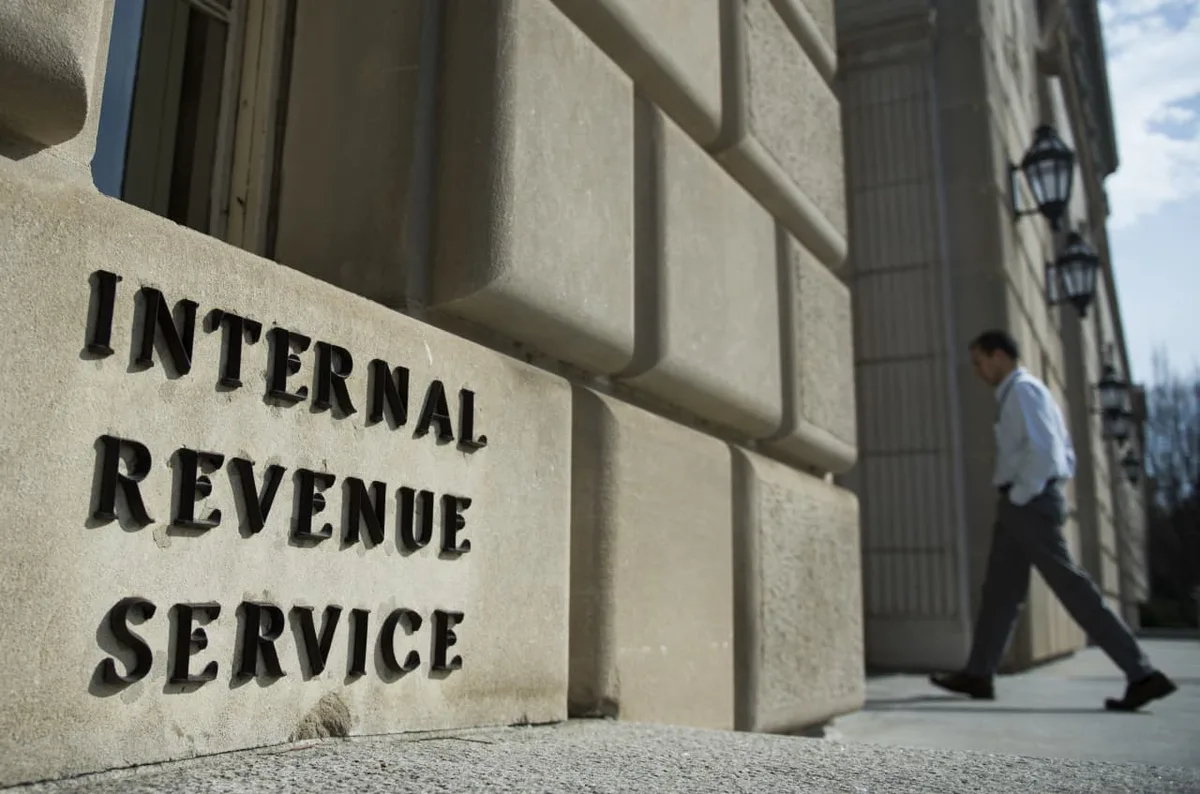
Made a mistake on your taxes this year? The IRS just gave you a little breathing room. The agency quietly updated its rules around underpayment penalties, making it easier for taxpayers to dodge a financial hit when they fall short on what they owe.
This isn't a minor tweak. One advocate inside the IRS is calling it a "major taxpayer win" — and that kind of language from inside the agency is rare. When bureaucrats start cheering their own policy changes, you should probably pay attention.
Read more Harvard Expert: The American Dream Is Missing Community →
Underpayment penalties kick in when you haven't paid enough taxes throughout the year, whether through withholding from your paycheck or quarterly estimated payments. They're a silent killer for freelancers, gig workers, and investors who have unpredictable income. The new rules appear to give those people more flexibility before the penalty clock starts ticking.
If you've been caught off guard by a surprise tax bill before, this change is directly relevant to your financial life. It won't erase what you owe, but it could mean the difference between paying your balance and paying your balance plus a penalty that stings extra. Think of it as the IRS widening the safety net — slightly.
Bottom line: if you're someone who struggles to nail your tax payments precisely every year, this is a rule change worth understanding before next filing season hits. Continue reading at MarketWatch.com