Low SPR Levels Risk Damaging the Caverns That Store US Oil
The U.S. Strategic Petroleum Reserve is so depleted that experts warn the storage caverns themselves may be at risk of damage.
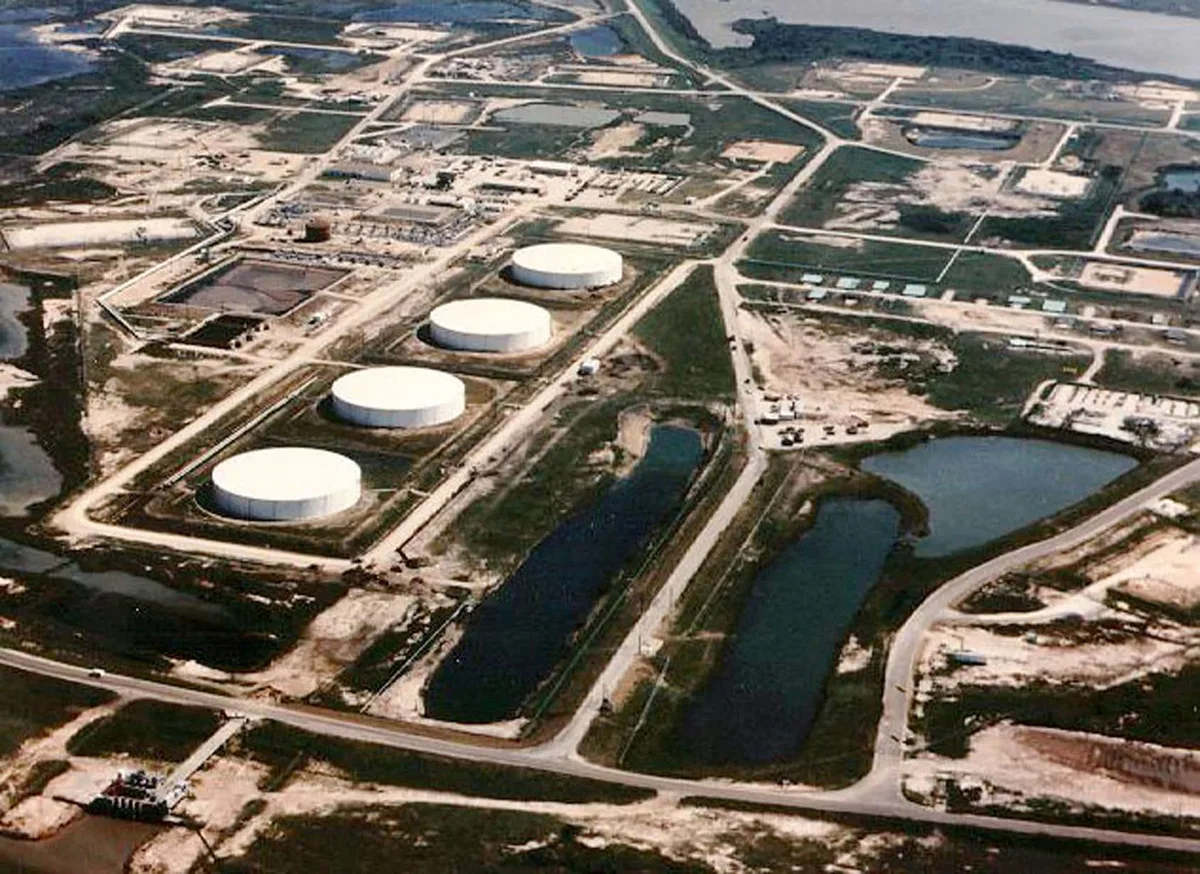
The U.S. Strategic Petroleum Reserve has been drawn down so aggressively that it's now approaching levels where the physical infrastructure holding the oil could sustain real damage. That's not a political talking point — that's an engineering problem, and it matters to every trader watching energy markets.
The SPR is stored in massive underground salt caverns along the Gulf Coast. Those caverns aren't just holes in the ground. They require a minimum amount of oil to maintain structural integrity and proper pressure. Push the inventory too low, and you risk compromising the caverns themselves — meaning the reserve could become harder, slower, or more expensive to refill and operate.
Read more Trump Team Pushes Apple to Shun Chinese Memory Chips →
This is the kind of systemic risk that doesn't show up in a weekly EIA report but can quietly reshape the long-term supply picture for crude. If the caverns get damaged, restoring full SPR capacity isn't a matter of just buying more barrels — it could require costly repairs and extended downtime on storage infrastructure that the country depends on for energy security emergencies.
For traders, the angle here is straightforward: a structurally compromised SPR means less of a ceiling on oil prices during future supply shocks. The reserve exists to cap panic spikes. Weaken the reserve's physical capacity, and that buffer gets thinner. Watch crude closely if this story gains traction in policy circles — it has the potential to shift sentiment fast.
Continue reading at US Top News and Analysis