Micron and Memory Chips Are Winning the AI Arms Race
Memory chips are driving the semiconductor industry to $1.5T in revenue. Micron looks positioned to hold its ground.
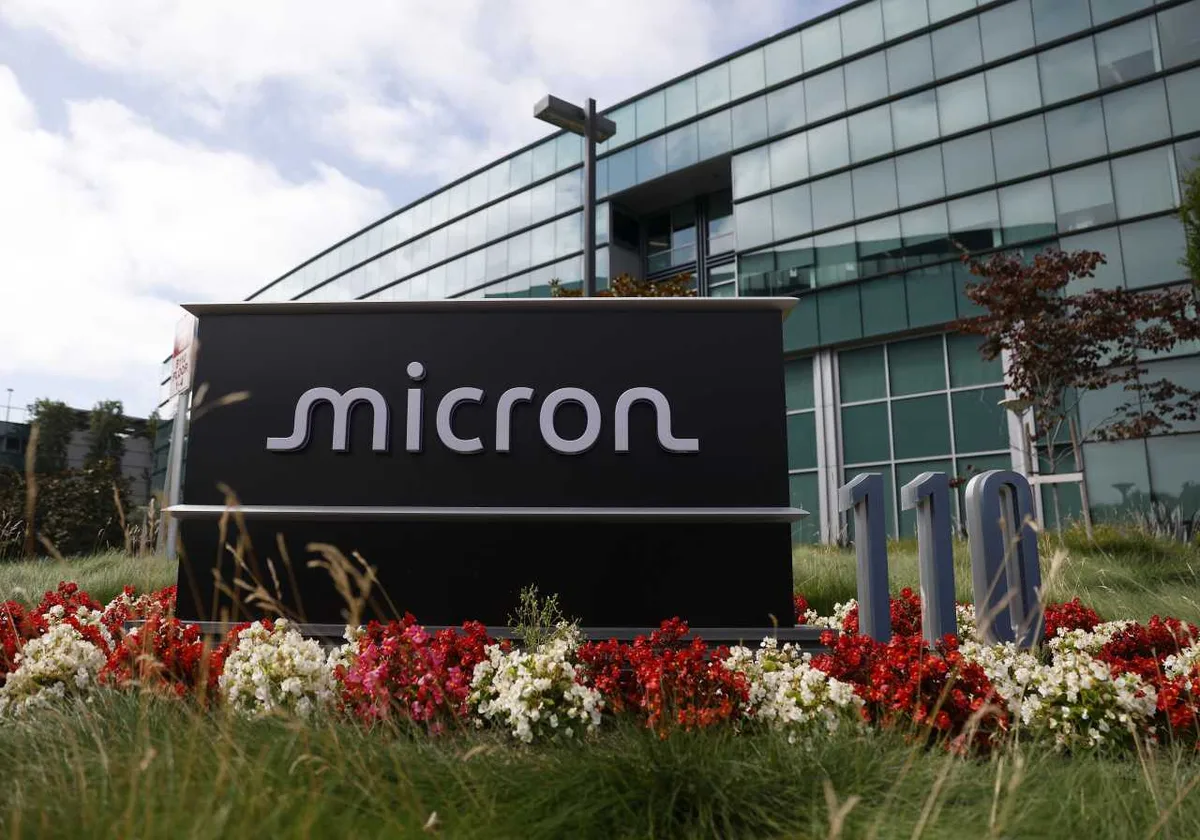
If you're still sleeping on memory chips, wake up. The semiconductor industry is on track to hit $1.5 trillion in revenue this year, and memory — not fancy logic chips or flashy AI accelerators — is the engine pulling that train. That's a big deal, and it's a bigger deal for Micron specifically.
For years, memory was the boring cousin at the chip family reunion. Commodity pricing, brutal cycles, margin compression — traders learned to hate it. But the AI boom flipped the script. Training massive models and running inference at scale burns through memory bandwidth at a rate nobody predicted. High-bandwidth memory is now the bottleneck, and whoever owns that bottleneck owns the trade.
Read more China August Inflation Set to Rebound on Food Prices, Not Demand →
Micron sits in a tight oligopoly alongside Samsung and SK Hynix. That's it. Three players carving up a market that just became the spine of the entire AI infrastructure buildout. Supply can't ramp overnight — fabs take years and billions to build. That structural constraint is exactly the kind of moat that keeps pricing power intact even when demand gets choppy.
The analyst narrative around Micron has shifted from cyclical punching bag to secular growth story. That re-rating doesn't happen in a week, but when the market decides a stock deserves a better multiple, the move can be violent and fast. Memory chip demand tied to AI isn't a one-quarter spike — data centers are building out for a decade-long upgrade cycle. Positioning early in a structural shift is where the real money gets made.
Keep your eye on inventory levels and average selling prices each quarter — those are your leading indicators for whether Micron's reign holds. Continue reading at MarketWatch.com