Middle East Tensions Put Gas Prices at Risk for Drivers
Escalating Middle East conflict is threatening to push pump prices higher. Here's what traders and drivers need to watch.
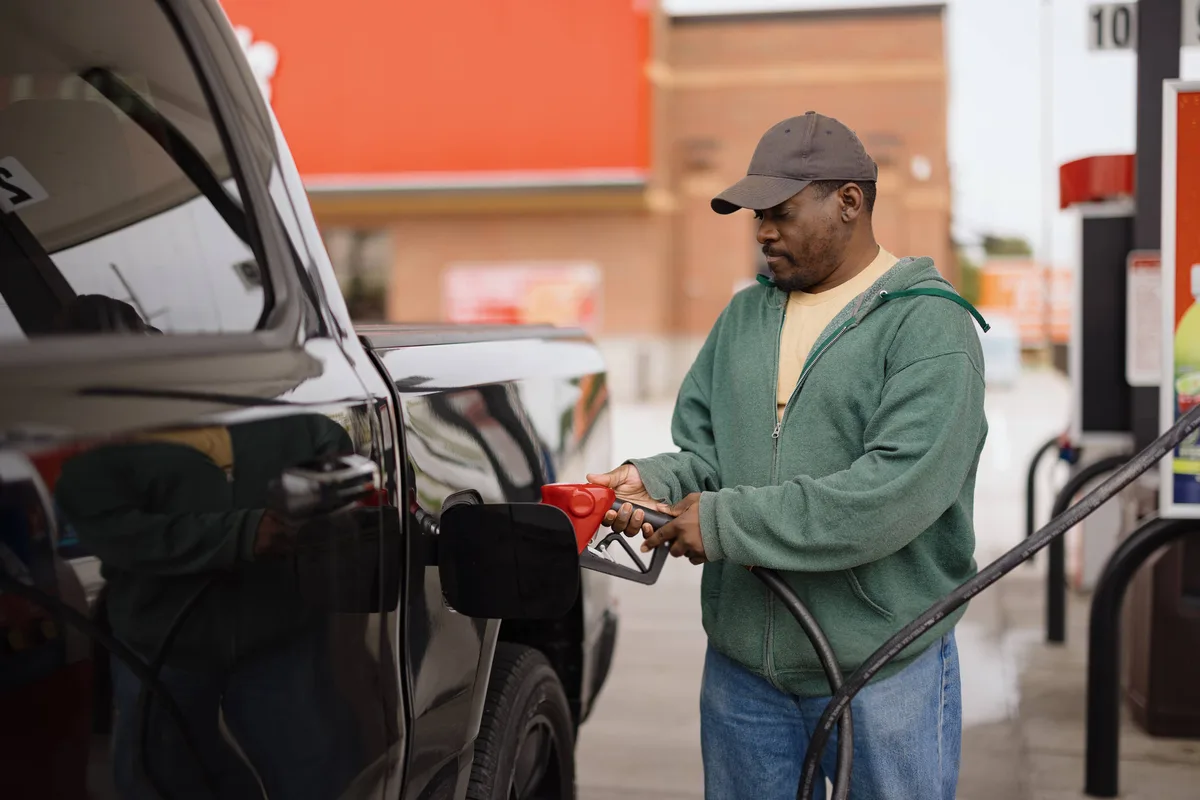
Middle East instability is back in the spotlight, and your wallet at the pump could feel it fast. When conflict flares in one of the world's most critical oil-producing regions, crude markets don't wait for official reports — they react immediately, and retail gas prices follow within days.
Oil supply routes through the Middle East are irreplaceable in the short term. Any serious disruption to production or shipping lanes tightens global supply fast, giving crude bulls exactly the catalyst they need to push prices higher. That premium gets baked into what you pay every time you fill up.
Read more Nvidia Loses Top Market Cap Spot After 8% Three-Month Slide →
For traders, this is a live situation worth watching closely. Energy futures tend to spike on geopolitical headlines before fundamentals even have a chance to catch up. If you're positioned in energy names or ETFs, volatility is your new best friend — but it cuts both ways, so risk management matters right now more than ever.
For everyday drivers, the practical move is simple: don't assume current prices are the floor. If tensions escalate further, expect the pain at the pump to intensify before it eases. Planning road trips or big fill-ups sooner rather than later could save you real money depending on how this develops.
Continue reading at Yahoo Finance