NATO Defense Spending Pledges Face a Hard Trump Test
European allies must prove higher defense budgets translate to real military power as Washington demands more burden-sharing.
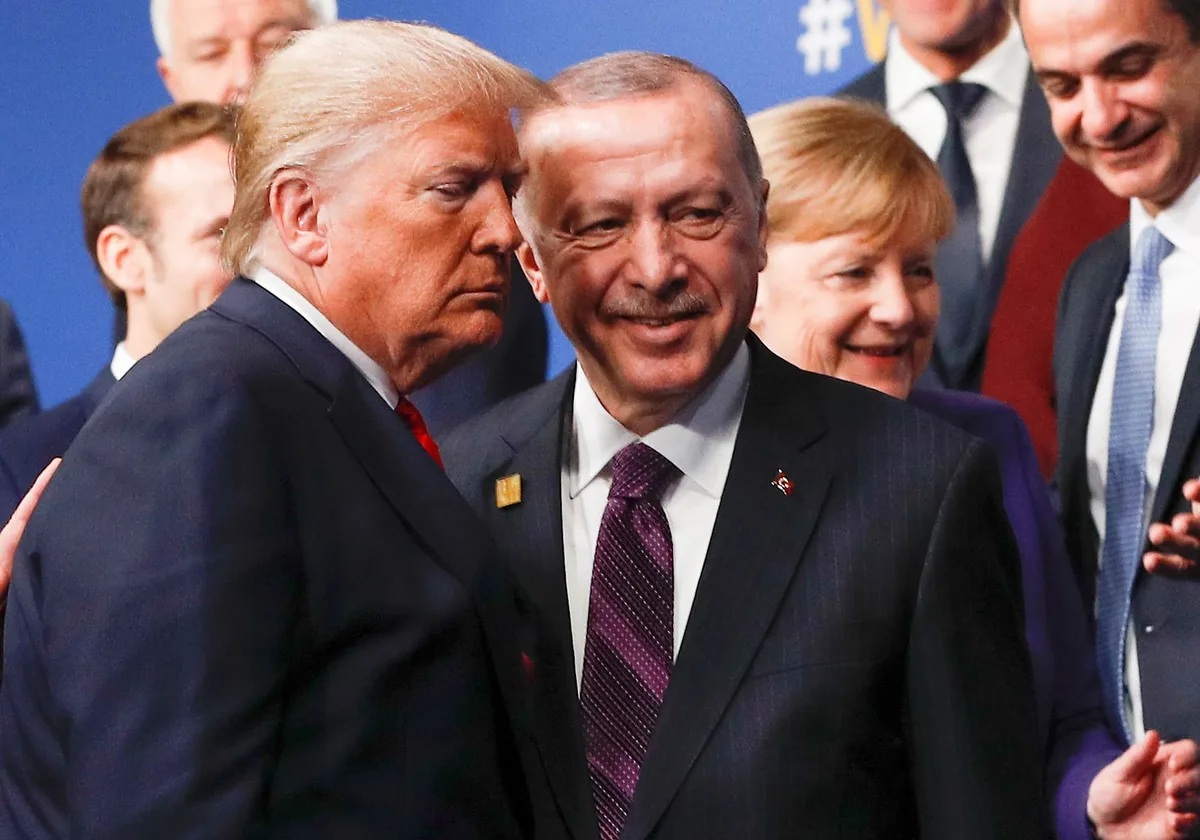
NATO is entering what some are calling its third major evolution — and the pressure is real. European leaders are gathering to answer one uncomfortable question: can they actually convert pledged defense dollars into deployable military capability? Promises are easy. Tanks, jets, and troops are not.
Washington isn't buying the talking points anymore. The Trump administration has made it crystal clear that allies need to stop leaning on the US security umbrella and start pulling their own weight. That shift in tone isn't just political theater — it's reshaping how NATO members budget, procure, and prioritize defense spending heading into the back half of the decade.
Read more Khamenei Funeral Sends a Clear Signal on Iran's Future →
The core tension here is one every trader and policy watcher should understand: there's a massive gap between announced spending targets and actual battlefield-ready capability. European governments can hit GDP percentage benchmarks on paper while still lagging badly on readiness, logistics, and interoperability. That gap is exactly what Washington is calling out.
For defense sector investors and geopolitical risk watchers, this moment matters. A genuine European rearmament cycle — not just budget line items — would have lasting implications for defense contractors, government debt issuance, and transatlantic trade dynamics. The question isn't whether Europe will spend more. It's whether that spending produces something real before patience in Washington runs out.
Continue reading at US Top News and Analysis.