NATO's Wild 48 Hours: How Trump Rewired Alliance Diplomacy
Trump's shifting signals rattled NATO allies in a dramatic 48-hour stretch that exposed just how much one leader can reshape global diplomacy.
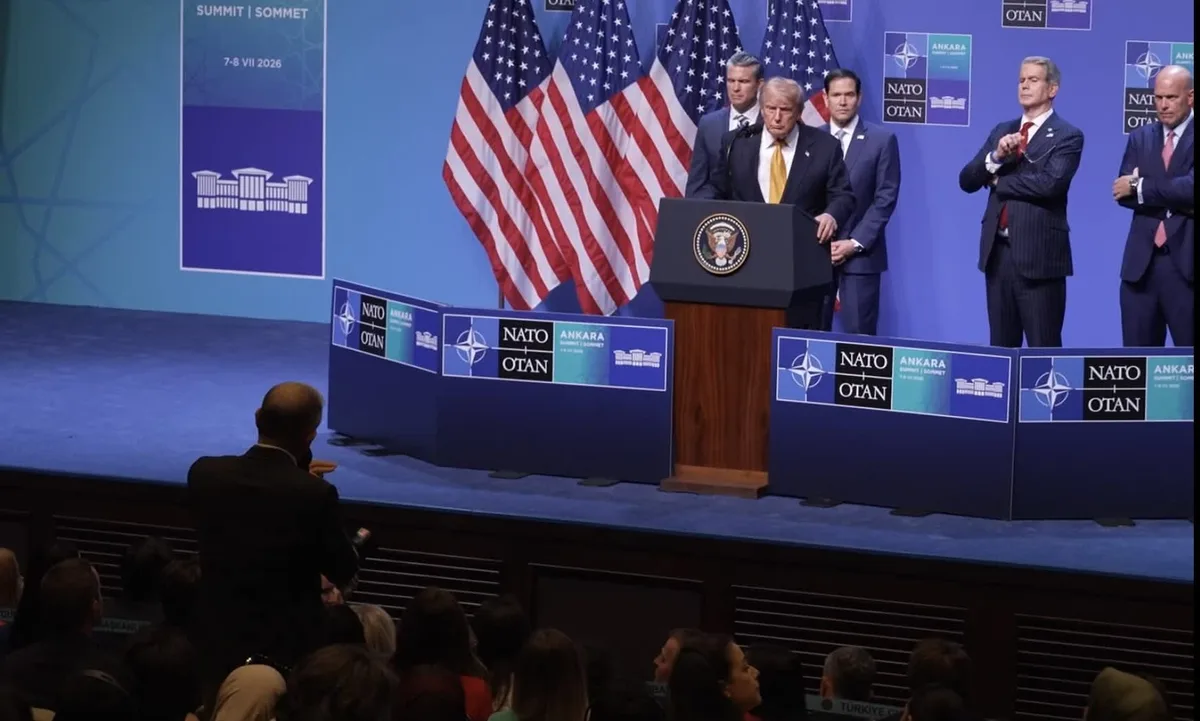
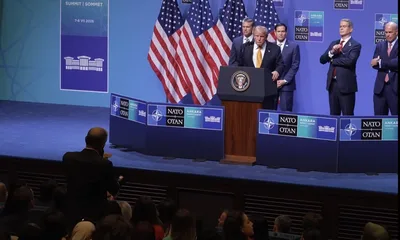
If you thought NATO summits were predictable diplomatic theatre, think again. The alliance just lived through one of its most turbulent 48-hour stretches in recent memory, and Donald Trump was at the center of every plot twist. His changing tone — unpredictable, forceful, and impossible to game — left allied governments scrambling to read the room.
What made this stretch extraordinary wasn't just the rhetoric. It was the speed at which the diplomatic landscape shifted. Allies who thought they had a clear position going in found themselves recalibrating in real time. That's a Trump trademark: keep everyone off balance, then extract leverage from the chaos.
Read more New Crypto Clarity Act Draft Could Land Next Week →
For retail observers of geopolitics, this matters beyond the headlines. When NATO dynamics get this fluid, defense spending commitments move, currency markets react to safe-haven flows, and energy policy pivots — all of which have direct tradeable consequences. Watch European defense stocks and the euro when Washington signals wavering commitment to the alliance.
The behind-the-scenes reporting from Steve Sedgwick reveals an alliance that is increasingly reactive rather than proactive when Trump is in the room. Allies are guessing more than planning, and that uncertainty has a cost — both diplomatic and economic. Whoever adapts fastest to Trump's style wins the short game.
The broader takeaway: Trump's grip on global diplomacy is not weakening. If anything, this 48-hour episode showed allies that the old playbook is useless. Flexibility and direct bilateral relationships with Washington are now the only real currency in NATO politics. Continue reading at US Top News and Analysis.