Oil Prices Climb as U.S.-Iran Strikes Reignite Mideast Tensions
Crude extends gains Tuesday after the U.S. and Iran exchanged strikes, stoking fears of a prolonged regional conflict.
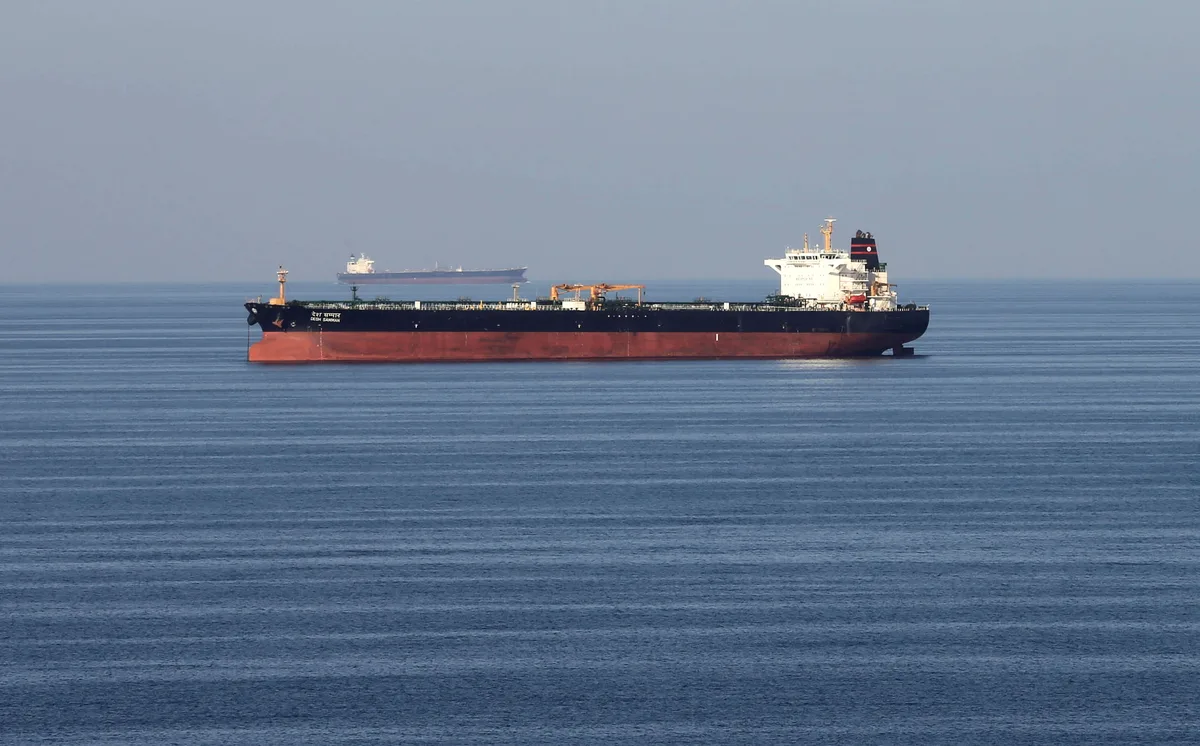
Oil is on the move — and not in the direction bears want to see. Prices pushed higher Tuesday as traders priced in fresh risk premium after the U.S. and Iran swapped strikes over the weekend. When two of the region's biggest power players start trading blows, the market doesn't wait around for clarity.
Mideast supply disruption risk is the oldest fear in the oil playbook, and it's back on the table. Any escalation that threatens tanker routes through the Strait of Hormuz — the chokepoint that funnels roughly 20% of global oil supply — sends buyers scrambling. You don't need an actual supply cut to move prices; the threat alone does the work.
Read more Huawei and Xiaomi Drop New Flagships Before Apple Foldable →
For traders, the setup matters. Geopolitical spikes in crude can be violent and fast, but they also fade quickly if the conflict doesn't spread. Watch whether allies get drawn in, whether shipping lanes stay open, and what diplomatic signals come out of Washington and Tehran. Those are your tells for whether this is a one-day pop or the start of a sustained rally.
The broader macro backdrop adds another layer. Markets were already navigating rate uncertainty and uneven demand signals before this weekend's escalation. An oil price surge here lands squarely on inflation expectations — bad news for anyone hoping the Fed can stay on the sidelines. Energy sector plays could see short-term momentum, but the tail risk of a wider conflict is the variable nobody can model cleanly.
Stay nimble. Geopolitical trades punish hesitation in both directions. Continue reading at US Top News and Analysis.