Oil Prices Hold Steady After Iran Fires Missiles at Kuwait
Crude is up 9%-plus this week as U.S.-Iran military exchanges escalate. Here's what traders need to watch right now.
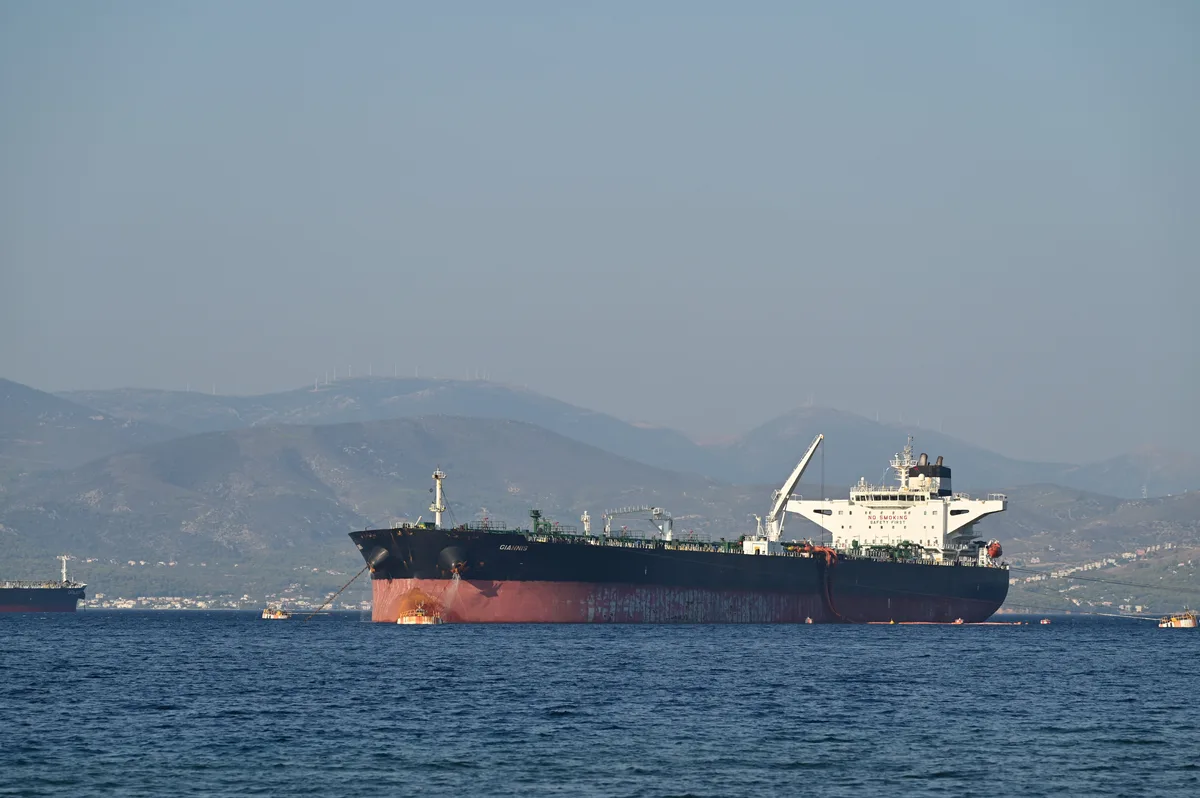
Oil barely flinched after Iran launched missiles at Kuwait, but don't let that calm fool you. Prices are already sitting on a 9% weekly gain — one of the biggest single-week moves in recent memory — driven by the first direct U.S.-Iran military exchanges since July. When two nuclear-capable adversaries start lobbing munitions in the world's most oil-rich neighborhood, you pay attention.
The muted reaction to the Kuwait strike could mean traders are pricing in a controlled escalation — both sides testing limits without going full-throttle. Or it could mean the market hasn't fully digested the risk yet. Either way, a 9% weekly surge in crude isn't background noise. That's a regime shift in how the market is pricing geopolitical premium into every barrel.
Read more Nvidia Nears $12.9B Hugging Face Deal After Direct CEO Outreach →
The Persian Gulf handles a massive share of global oil flows, and any sustained conflict that threatens Kuwaiti infrastructure or shipping lanes through the Strait of Hormuz could send prices dramatically higher. Right now the market seems to be betting this stays contained. That's a bet worth watching closely — because if it's wrong, the repricing will be fast and brutal.
For retail traders, the playbook here is straightforward: volatility is your friend if you're positioned correctly, and your worst enemy if you're not. Watch for any escalation beyond missile exchanges — ground troops, naval confrontations, or Saudi involvement would change the calculus entirely. Keep your stop-losses tight and your eyes on the headlines.
Continue reading at US Top News and Analysis.