Oil Producers Are Outmaneuvering Iran in the Strait of Hormuz
Middle East exporters are finding creative workarounds to keep oil flowing despite Iranian pressure on the Strait of Hormuz.
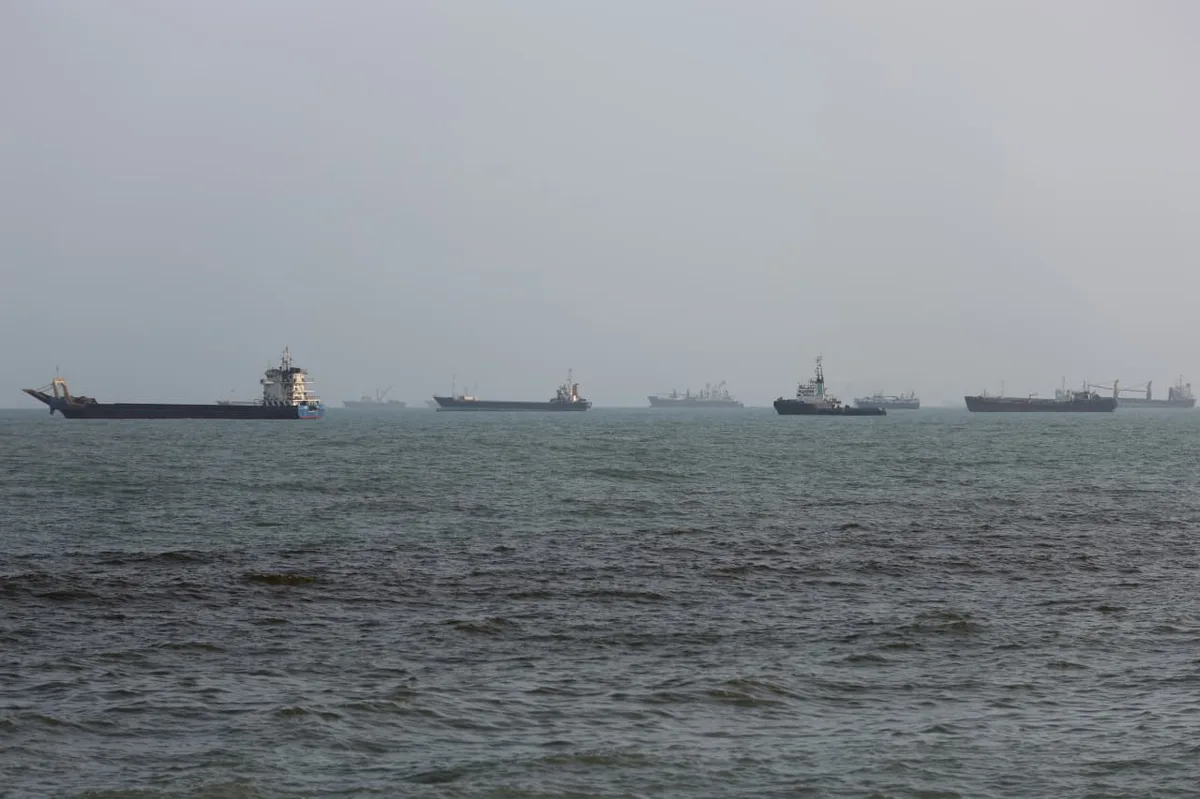
Iran keeps rattling its saber over the Strait of Hormuz, but Middle East oil producers aren't waiting around to see what happens next. They're actively finding new maneuvers to keep shipments moving and their revenues intact — and it's working.
The Strait of Hormuz is the world's most critical oil chokepoint, with roughly 20% of global petroleum supply passing through its narrow waters. Any disruption there sends shock waves through energy markets almost instantly. That's exactly why producers in the region are refusing to leave their export strategy at Iran's mercy.
Read more Why September Should Have Investors on High Alert Now →
Instead of sitting on their hands, these exporters are rerouting, restructuring logistics, and finding operational workarounds that sidestep the threat entirely. The result is more oil reaching global markets despite the geopolitical noise — which is a direct shot at Iran's leverage over its neighbors.
For traders, this is the angle worth watching. If producers successfully neutralize the Hormuz threat through alternative shipping strategies, the fear premium baked into crude prices could deflate faster than the headlines suggest. That's a potential catalyst — in either direction — depending on how you're positioned in energy markets right now.
The bigger picture here is resilience. Regional producers have strong financial incentives to keep exports flowing, and they're proving they have the operational creativity to do it. Iran's threats may be real, but they're not the final word on what gets through. Continue reading at MarketWatch.com