Philly Fed's Paulson Backs Current Rate Levels, Stays Flexible
Philadelphia Fed President Paulson says holding rates steady was an easy call, but he's not closing the door on future moves.
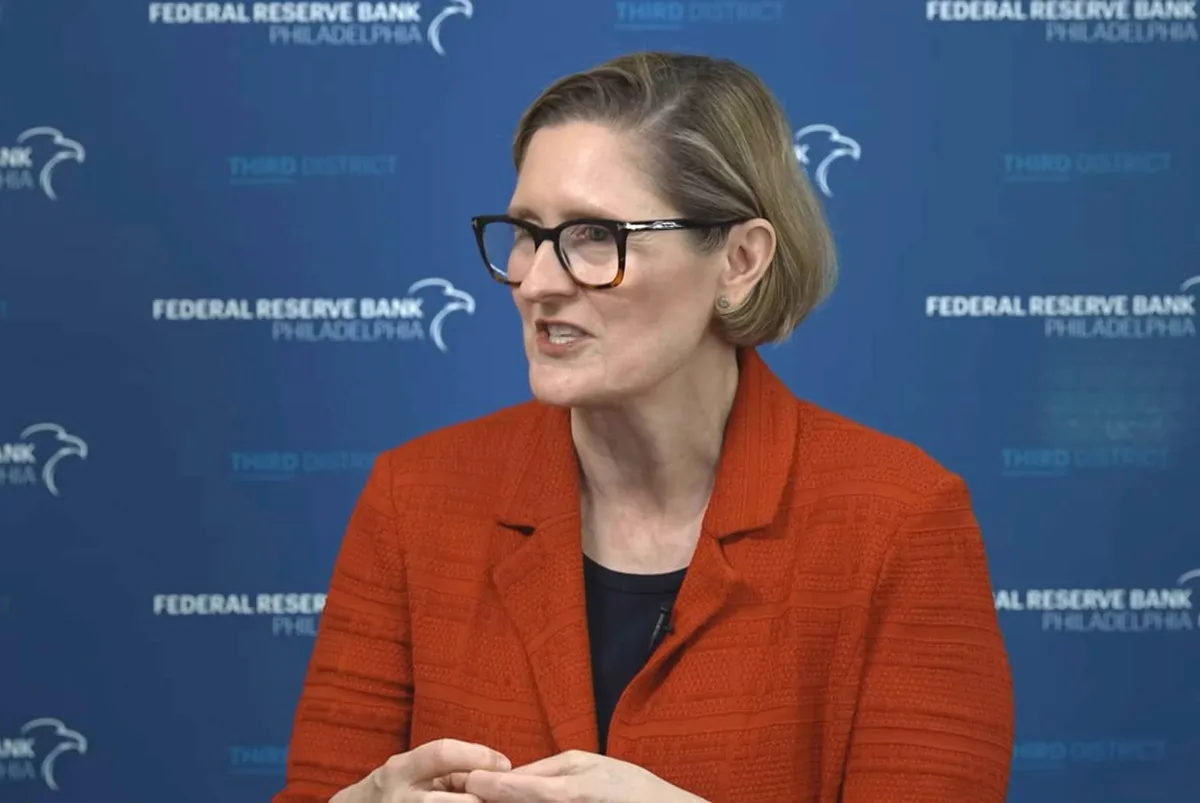
Philadelphia Fed President Patrick Paulson isn't losing sleep over last week's rate decision. He voted with the majority and made clear it wasn't a close call — current interest rate levels are right where he wants them, at least for now.
That said, Paulson isn't locking himself into a corner. He's keeping an open mind, which is central-banker speak for: don't count out another move if the data demands it. For traders, that's the part worth watching. A Fed official who's comfortable today can shift fast if inflation or jobs numbers surprise.
Read more Job Seekers Are Quitting the Hunt as Searches Drag On →
The stance fits the broader Fed posture heading into the back half of the year. Policymakers have been signaling patience, but patience has limits. Paulson's comments suggest he's in the wait-and-see camp — not dovish, not hawkish, just data-dependent. That middle ground keeps all options on the table.
Bottom line for your portfolio: the Fed isn't rushing to cut or hike. Paulson's tone is steady-handed, but his open-mind caveat means volatility risk isn't dead. Stay nimble, watch the incoming economic data, and don't get too comfortable betting on rate stability through year-end.
Continue reading at US Top News and Analysis.