Prediction Markets Raise Insider Trading Flags at Major Firms
Companies are scrambling to address employee trading on prediction markets. Most have no clear policy yet.
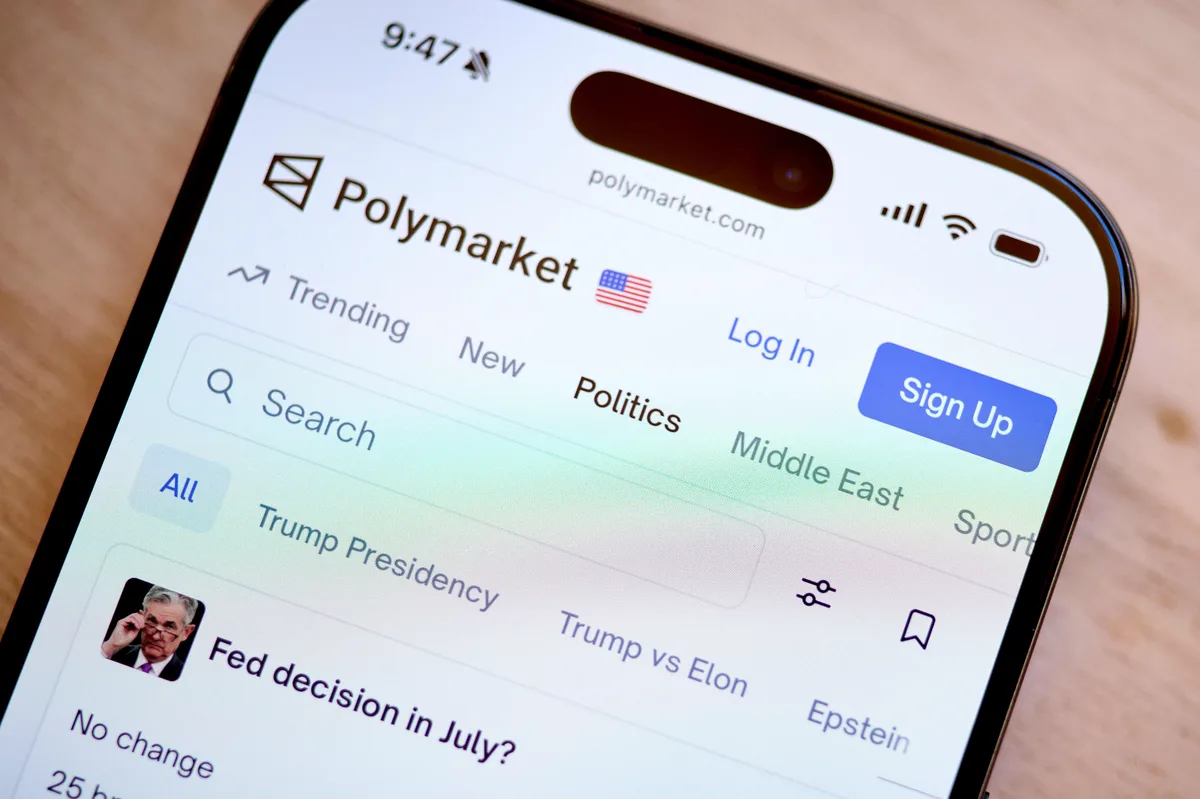
Prediction markets are exploding in popularity, and Wall Street has a problem. When employees can bet real money on outcomes their employers might influence — earnings, mergers, macro moves — the line between informed speculation and insider trading gets blurry fast.
CNBC went straight to the source, reaching out to 50 companies to find out exactly what rules they have in place for employees trading on these platforms. The response? Mostly silence. Only a handful of firms actually had a concrete answer ready.
Read more Sony Bank Wins OCC Approval to Launch US Stablecoin Business →
Goldman Sachs was among the companies that did respond, signaling that at least some major players are taking the issue seriously enough to formalize a stance. But the broader picture is one of unpreparedness — most corporations haven't caught up to the speed at which prediction markets have gone mainstream.
This is a real compliance gap, and it matters to you as a trader. If corporate insiders are placing bets on Kalshi or Polymarket with material non-public information and there's no internal policy stopping them, that's a market integrity issue. Regulators are watching, and the lack of uniform rules across industries means this story is far from over.
The pressure is mounting on legal and compliance teams to treat prediction market activity the same way they treat stock trading — with blackout periods, disclosure requirements, and hard prohibitions. Whether companies move fast enough is the question. Continue reading at US Top News and Analysis.