Record Beef Imports Aren't Cooling Fourth of July Grill Costs
The U.S. is bringing in more beef than ever, yet prices keep climbing. Here's why your BBQ budget is taking the hit.
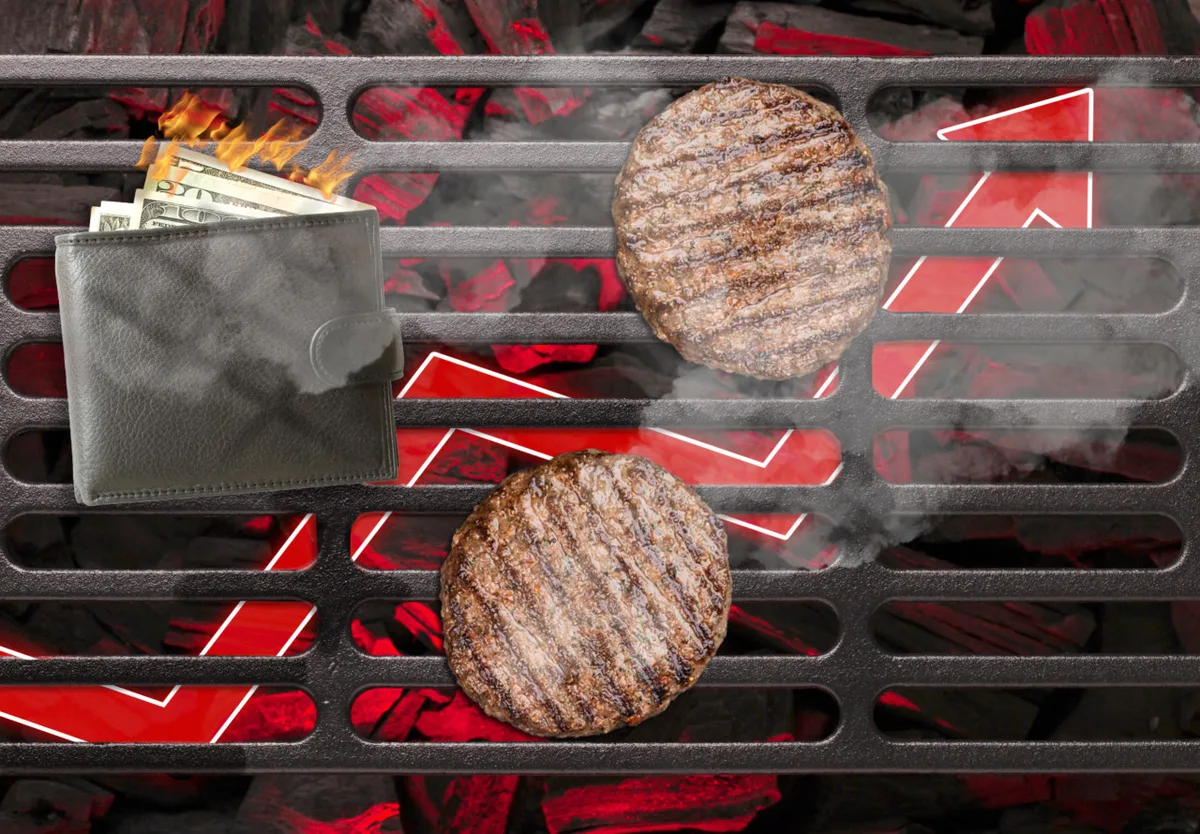
You'd think flooding the market with record beef imports would knock prices down. That's basic supply and demand. But if you've hit the meat counter lately ahead of the Fourth of July, you already know that theory isn't showing up on your receipt.
Washington's play has been straightforward — import more beef to offset tight domestic supply. And it's working on paper. Import volumes are at record highs. What it isn't doing is giving your wallet any relief at the checkout line. Prices remain stubbornly elevated, which means the import surge is patching a hole in the dam, not fixing the dam itself.
Read more Apple Closes In on Nvidia's Market Cap Crown by 4% →
The core problem is domestic. The U.S. cattle herd has been shrinking for years, squeezed by drought, high feed costs, and ranchers who've been slow to rebuild herds because the math hasn't penciled out. You can't import your way out of a structural domestic supply crunch — at least not fast enough to matter for your summer cookout budget.
For the retail trader watching ag commodities, this setup is worth your attention. Tight domestic cattle supply doesn't flip overnight. Herd rebuilding takes years. That's a multi-season tailwind for live cattle futures and a continued headwind for the consumer. The political pressure to do something about food prices is real, but the levers available are slow-moving compared to the speed of your grocery bill.
Bottom line: don't expect relief at the butcher this summer. The import wave is real, but it's not enough to offset what's broken in the domestic cattle market. Continue reading at MarketWatch.com.



