Regulators Race to Fill Crypto Rules Gap After Senate Stall
The Clarity Act hit a Senate wall, so state and federal regulators are now scrambling to build their own crypto frameworks.
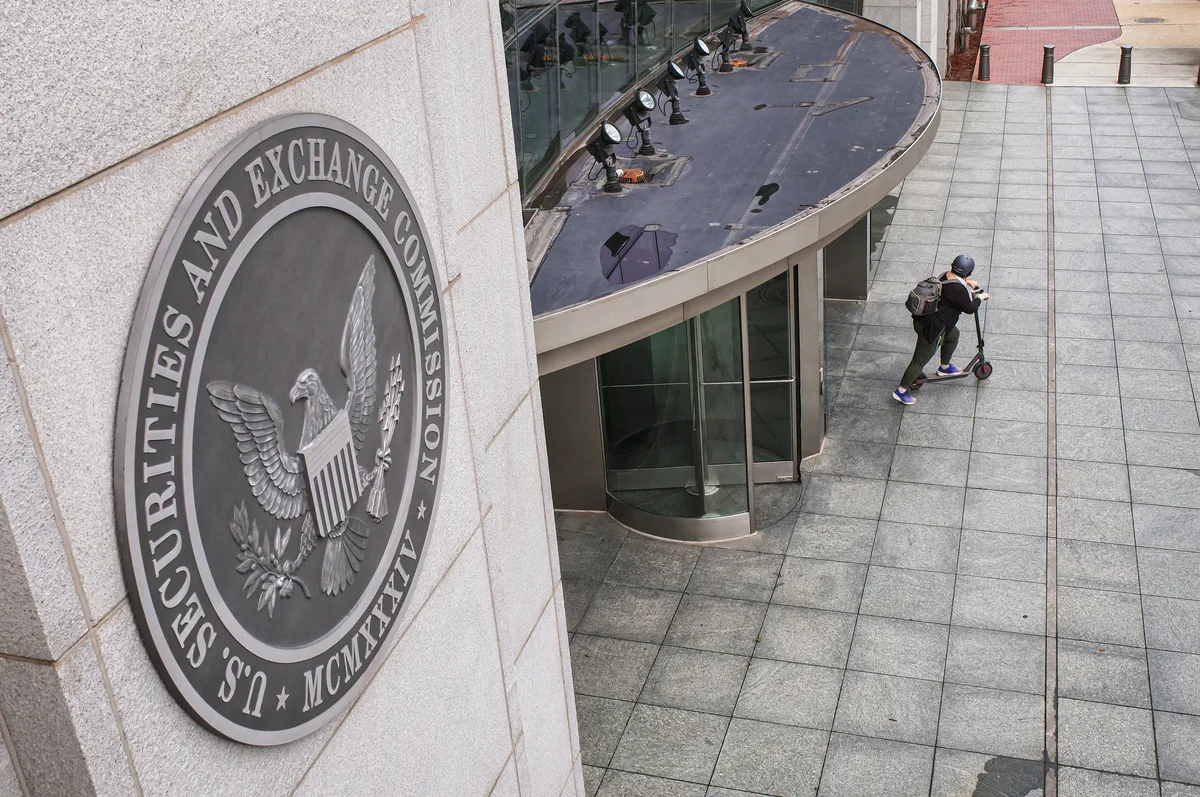
The Senate couldn't get it done, and now regulators are improvising. After the Clarity Act failed to clear the upper chamber, both state and federal agencies are rushing to draft their own crypto rules — and that patchwork approach could reshape how you trade, hold, and move digital assets.
When Congress punts, regulators step up. That's the playbook here. Without a unified federal framework, you're looking at a fragmented landscape where the rules in Texas could look nothing like the rules in New York. For traders, that means jurisdictional risk is suddenly a very real variable in your strategy.
Read more US Locks In Greenland Military Deal, Gains Arctic Security Control →
Federal agencies aren't sitting still either. The scramble at the top signals urgency — nobody wants to be caught flat-footed when the next crypto blowup happens. Expect aggressive rulemaking, enforcement actions, and possibly some regulatory turf wars between agencies competing to claim oversight authority over different corners of the market.
For retail traders, the short-term read is volatility in the regulatory narrative. Every new rule draft, every state announcement, every agency power grab is a potential market-moving headline. Stay nimble. The absence of clarity *is* the story right now, and it's not resolving fast.
Continue reading at US Top News and Analysis.