SanDisk IPO: Can It Escape the Memory Chip Boom-Bust Cycle?
SanDisk is back as a standalone company. History says memory stocks are a trap — here's what you need to know.
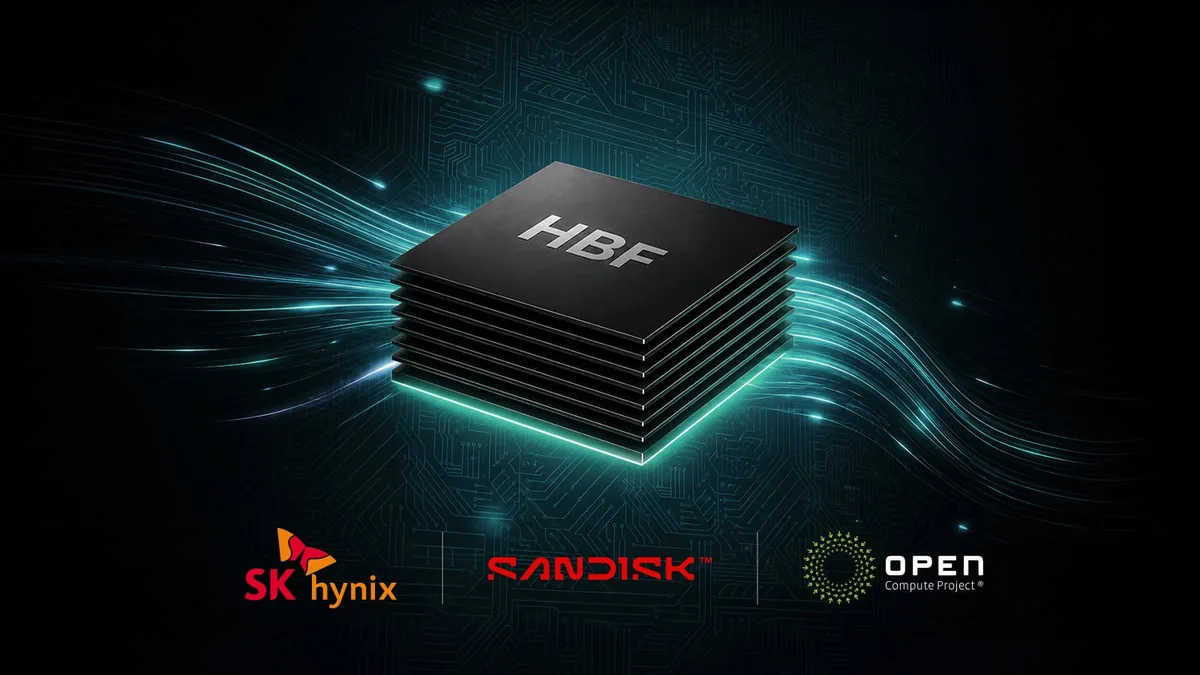
SanDisk is stepping back into the spotlight as an independent company, and if you've traded memory stocks before, you already feel that mix of excitement and dread. The flash storage giant has a recognizable brand and real enterprise demand behind it — but the memory chip sector has a brutal history of punishing investors who buy at the wrong point in the cycle.
The core problem with memory plays is simple: prices are set by supply and demand in a commodity market, and manufacturers almost always oversupply. When NAND flash prices collapse, margins evaporate overnight. SanDisk has lived through those downturns before, and so have the investors who held the bag during them. That cyclical trap has burned even the most patient traders.
Read more What to Watch Before Buying Palo Alto Networks Stock →
What could make this time different is the shift in where flash storage is going. Data centers, AI workloads, and enterprise SSDs are driving a more consistent, higher-margin demand profile than the old consumer USB-drive days. If SanDisk can lock in enterprise contracts and reduce its exposure to spot-price swings, the boom-bust pattern becomes less of a death sentence.
Still, you need to go in with your eyes open. A fresh spin-off or newly independent company often carries hidden balance-sheet baggage, and the memory market can turn faster than any quarterly guidance can warn you. Timing matters enormously in this sector — buying into hype at launch has historically been a losing trade.
The question isn't whether SanDisk is a good business. It might be. The question is whether you're buying it at the right moment in the cycle — and right now, that answer isn't obvious. Continue reading at Yahoo Finance.