Semaglutide Implant Could Reshape the Weight-Loss Drug Race
Vivani Medical is developing a tiny implant loaded with semaglutide to help patients sustain weight loss without weekly injections.
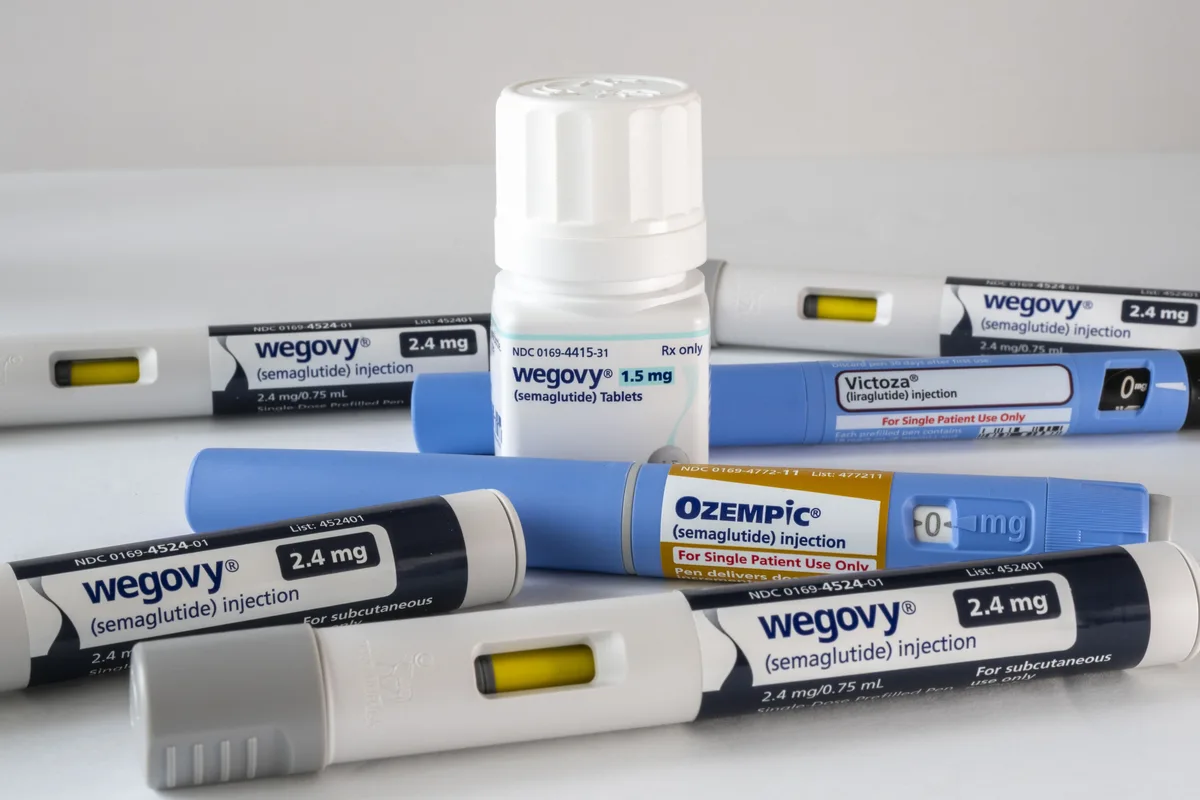
Forget weekly shots. A small company called Vivani Medical wants to put semaglutide — the same active ingredient powering Novo Nordisk's blockbuster Wegovy and Ozempic — directly under your skin in a tiny implant. If it works, you skip the needle routine and let the device do the heavy lifting.
This is a direct play on one of the biggest pain points in GLP-1 therapy: adherence. Patients stop injecting, weight comes back. An implant changes that equation. Set it, forget it, stay on track. That's the tradeable thesis here — whoever cracks long-term compliance wins a massive slice of the obesity market.
Read more Apple Inks $30B Broadcom Deal for 15 Billion US-Made Chips →
Vivani is a small-cap name swinging at a giant target. Novo Nordisk built a multibillion-dollar empire on semaglutide. A competing delivery format — not a competing molecule — could carve out real value without going head-to-head on drug development costs. That's a smarter angle for a smaller player.
The obesity drug space is heating up fast, with pharma giants and startups alike racing to own different parts of the patient journey. Delivery innovation is the next frontier. Pills, patches, implants — the molecule is almost secondary now. Watch who controls how patients actually get these drugs long-term.
Continue reading at US Top News and Analysis.