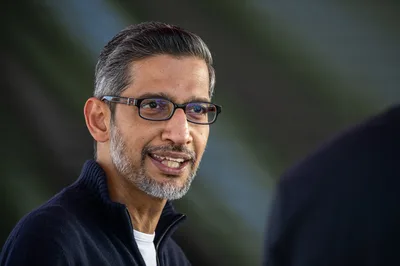
Sequoia Legend Michael Moritz Sounds Off on AI and VC
Silicon Valley icon Michael Moritz shares sharp views on AI, venture capital, and global mobility after a career backing Google, PayPal, and more.

Michael Moritz isn't someone who minces words, and if you've followed venture capital at all, you already know the name. During his tenure at Sequoia Capital, he helped back some of the most valuable companies ever built — Google, PayPal, Yahoo!, and LinkedIn among them. That's not a portfolio. That's a dynasty.
Now operating with more distance from the day-to-day grind of dealmaking, Moritz is speaking freely — and the topics he's hitting are exactly the ones every serious investor is wrestling with right now: artificial intelligence, the future of venture capital, and what it means to build and preserve wealth in a world that feels increasingly unstable.
Read more T. Rowe Price Launches First Multi-Token Crypto ETF →
One line in particular stands out from a trader's perspective: "You can never have enough passports." That's not throwaway banter from a guy who's made billions betting on the future. That's a signal. When one of the sharpest allocators in Silicon Valley history is talking about geographic optionality, you pay attention. Diversification isn't just about asset classes anymore — it's about jurisdiction.
On AI, Moritz is in a unique position to assess the hype versus the reality. He's seen generational tech shifts up close — the internet boom, the mobile wave, the social media explosion. Whether he's bullish or cautious on the current AI frenzy carries real weight. Retail traders chasing AI momentum stocks would do well to hear what someone with his pattern recognition thinks about where this cycle is headed.
Venture capital itself is also under the microscope. The easy-money era is over, valuations got stretched to absurd levels, and LPs are demanding accountability. Moritz's perspective on how the industry recalibrates — and where the next generation of outsized returns might come from — is the kind of insight you won't find in a quarterly earnings call. Continue reading at Yahoo.