South Korea Producer Prices Drop for First Time in 11 Months
Cheaper oil snapped Korea's 11-month PPI winning streak in July, but food prices surged on heat-wave supply shocks.
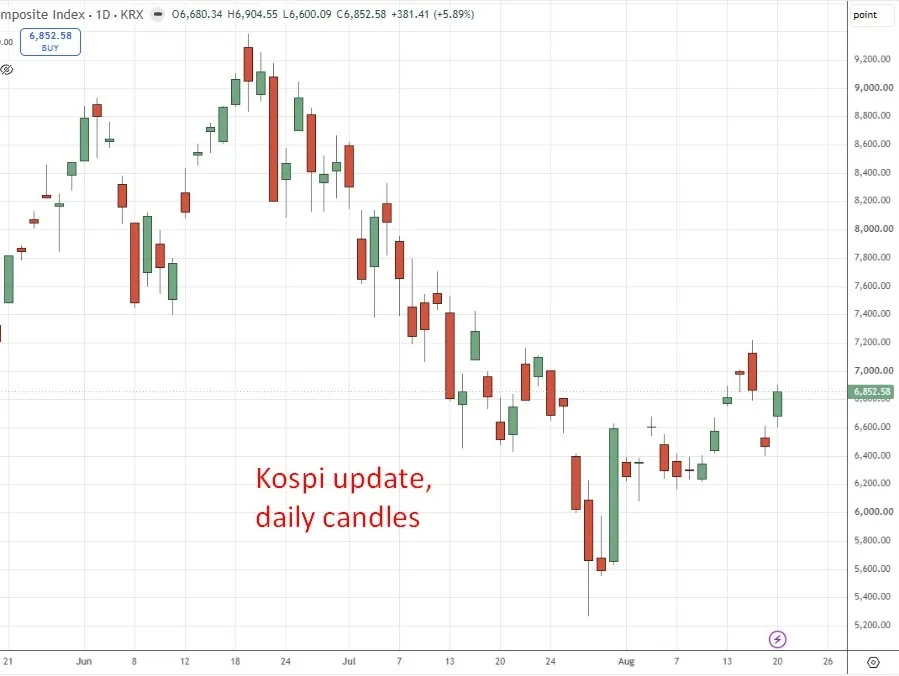
South Korea's producer price index finally blinked in July, falling 0.4 percent month-on-month — the first decline since August 2025 — after eleven straight monthly gains. Cheaper crude following a Middle East ceasefire did the heavy lifting, dragging industrial goods including petroleum and chemical products down 0.5 percent. Government-eased summer electricity pricing added another nudge, pulling utility costs 0.6 percent lower. That's real pipeline relief, and traders tracking the Bank of Korea's next move should pay attention.
Here's the catch: the year-on-year rate is still running hot at 7.7 percent. One month doesn't make a trend, and the disinflationary pressure is narrow — concentrated in energy and government-administered prices rather than spreading across the whole economy. Agricultural, livestock, and fisheries prices jumped 1.5 percent as a prolonged heat wave choked supply. Korea's farm price volatility is a chronic wildcard, and July's data is a textbook example of how fast a weather shock can undercut a cleaner inflation narrative.
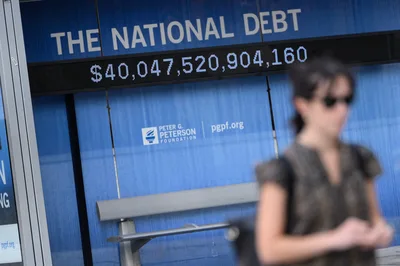
Read more US National Debt Tops $40 Trillion, Doubling in One Decade →
The bigger signal for traders is the domestic supply price index, which folds in import prices and fell a steeper 1.8 percent on the month. That's imported cost relief doing the work. Watch how fast it passes through to the consumer price level over the next one to two months — if the import-price cushion holds, it gives the Bank of Korea room to stay patient. If food prices stay elevated and energy costs rebound, that window closes fast.
Bottom line: this is a tradeable data point, not a pivot signal. The PPI dip is real but lopsided. Energy gave; food took away. The annual rate staying above 7 percent keeps pressure on Korean rate expectations. Don't get too comfortable on the dovish side just yet.
Continue reading at Forexlive.