Space Data Centers Open a Wild New Market for Insurers
Low Earth orbit data centers are coming, and insurers face a complex new risk frontier they've never had to price before.
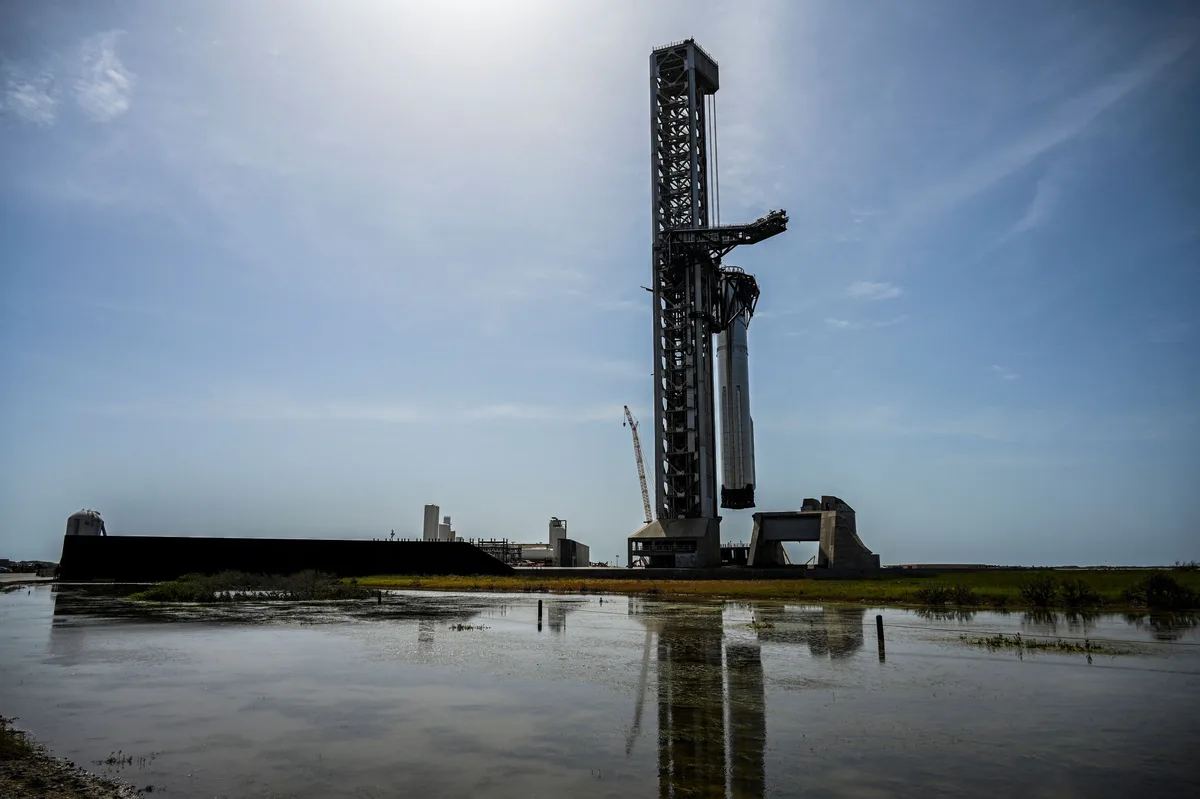
The data center arms race just got a whole lot more literal. Companies are eyeing low Earth orbit as the next frontier for computing infrastructure, and that ambition is dragging the insurance industry into territory it has almost no playbook for. You think pricing a hyperscale facility in Phoenix is complicated — try underwriting one that's hurtling around the planet at 17,000 miles per hour.
For insurers, the opportunity is real. A new class of orbital infrastructure means a new class of premium. But the complexity is equally serious. Space hardware faces radiation exposure, micrometeorite strikes, extreme temperature swings, and zero ability to send in a repair crew if something goes sideways. Traditional property and casualty frameworks weren't built for any of that.
Read more Space Data Centers Open a Risky New Market for Insurers →
The pricing problem is the core challenge. Actuarial models depend on historical loss data, and there simply isn't a deep pool of claims history for in-orbit commercial computing assets. Underwriters will have to lean hard on engineering assessments, satellite loss data, and a lot of educated guesswork — at least until the market matures enough to generate its own loss curves.
That said, insurers who figure this out early could lock in a serious competitive edge. Space is becoming commercial infrastructure, not just a government program. The companies willing to develop the expertise now — the engineers, the risk models, the policy language — are the ones who will own the market when orbital data centers go from concept to operational reality. The window to build that expertise is open. It won't stay that way forever.
Continue reading at US Top News and Analysis.