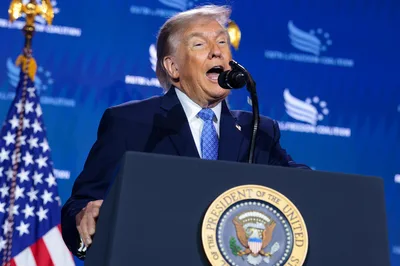
Trump Blasts Supreme Court Loss on Mail-In Ballot Ruling
Trump decries a 'tremendous loss' after Justice Barrett sides against him on Mississippi absentee ballot rules, then pushes voter-ID legislation.
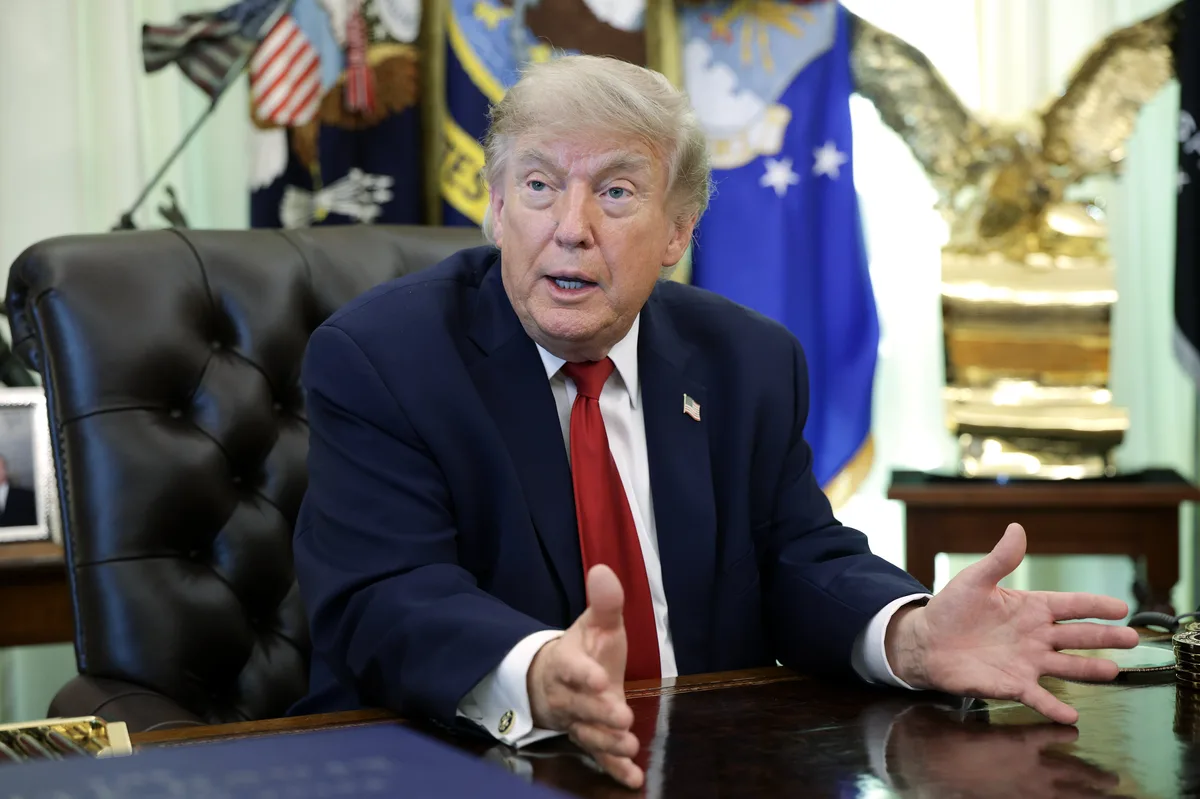
Donald Trump is not hiding his frustration. After the Supreme Court dealt him a stinging defeat on mail-in ballot rules, he took to social media to call it a "tremendous loss" — and then immediately doubled down by pushing his voter-ID agenda harder than ever.
The ruling came courtesy of Justice Amy Coney Barrett, one of Trump's own nominees from 2020. Barrett rejected arguments that federal laws should override Mississippi's policy allowing late-arriving absentee ballots to be counted. That's a gut punch for anyone who thought a conservative-leaning court would automatically side with Trump's long-standing skepticism of mail-in voting.
Read more US-Iran Nuclear Talks Resume Tuesday in Qatar After Tense Weekend →
Here's the tradeable angle: this ruling signals that even a court shaped in part by Trump appointees won't rubber-stamp his election-integrity arguments. Barrett's independence here matters. It tells you the legal battle over mail-in voting is far from settled — and that outcomes won't always break the way political optics suggest they should.
Trump's response was to pivot fast. Rather than dwell on the courtroom loss, he leaned into voter-ID legislation as his next move. That's a clear signal that his team sees the legislative lane as more viable than the judicial one right now — at least on this issue. Watch Congress, not the courts, for the next flashpoint.
The bigger picture: election law is becoming a permanent battleground, and neither side is backing down. Every ruling, every bill, every executive push is shaping the rules of future elections. Stay locked in. Continue reading at US Top News and Analysis.