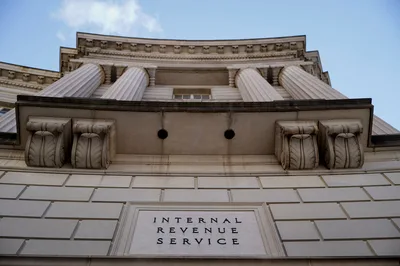
Trump Pushes Back on Fed Rate Policy, Wants Lower Rates
Trump renewed his attack on the Federal Reserve's interest rate stance, accusing Fed officials of playing politics with monetary policy.
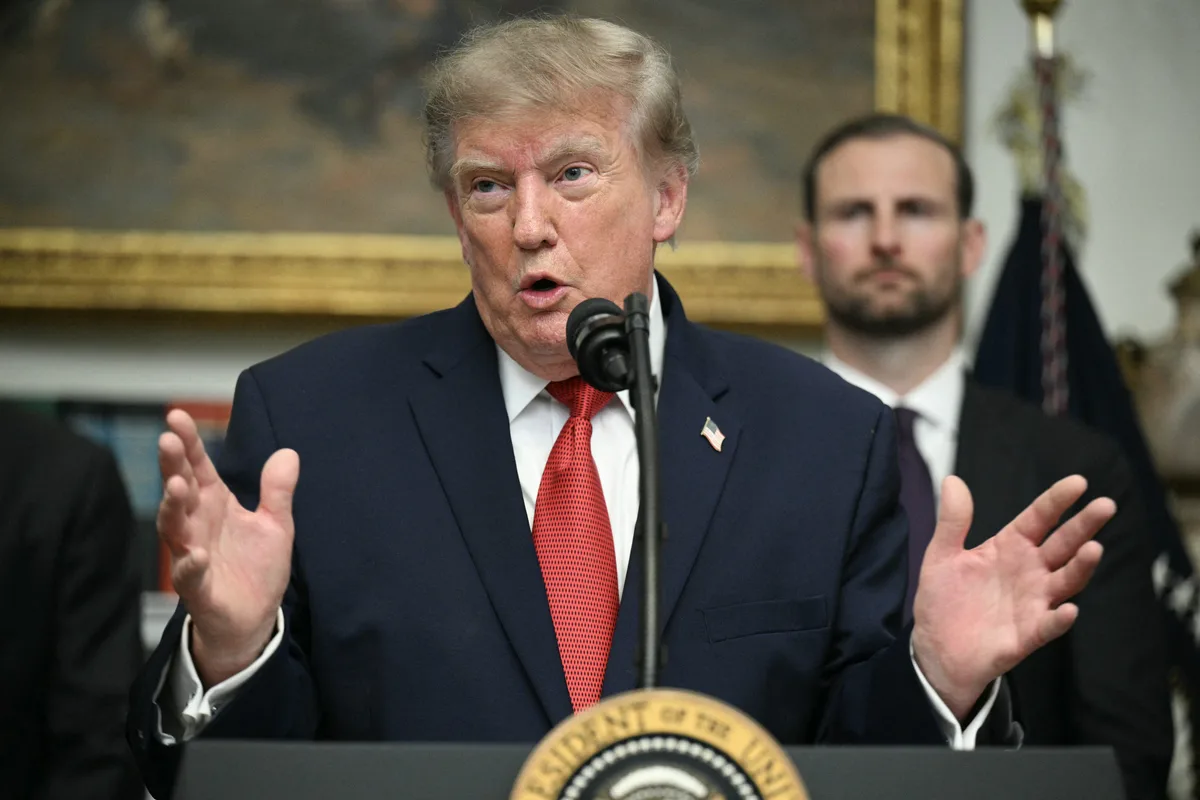
Donald Trump is back on the offensive against the Federal Reserve, publicly declaring that the United States should be paying far less in interest — a familiar refrain that puts him on a collision course with the central bank's independent policymakers. The president's frustration with current rate levels is no secret, and this latest broadside signals that tension between the White House and the Fed isn't cooling off anytime soon.
In a move consistent with his long-standing playbook, Trump didn't just argue economics — he went after the Fed's motivations directly, suggesting that political considerations are driving rate decisions rather than hard data. It's a charge the Fed has repeatedly and firmly denied, with officials insisting their decisions are guided solely by inflation and employment data.
Read more IRS Moves to Block Refundable Tax Credits for Some Immigrants →
For traders, the subtext here matters. Presidential pressure on the Fed historically rattles markets because it raises questions about central bank independence — one of the foundational pillars of investor confidence in U.S. monetary policy. If that independence gets perceived as compromised, you're looking at volatility across Treasuries, the dollar, and rate-sensitive equities.
The broader political dynamic is straightforward: lower rates would juice the economy and hand the White House a talking point heading into any electoral cycle. But the Fed's mandate isn't to make anyone look good — it's price stability and maximum employment. Those two agendas don't always align, and right now they're clearly at odds.
Whether Trump's public pressure campaigns actually move Fed Chair Jerome Powell and the committee is another question entirely. History suggests the Fed holds its ground. But the noise itself is a tradeable signal — watch rate expectations and dollar positioning closely whenever this friction spikes. Continue reading at US Top News and Analysis.