US Navy Blockade Cuts Iran Oil Exports in Economic War Shift
After airstrikes failed to dislodge Iran from Hormuz, Washington pivots to a naval blockade targeting Tehran's oil revenue.
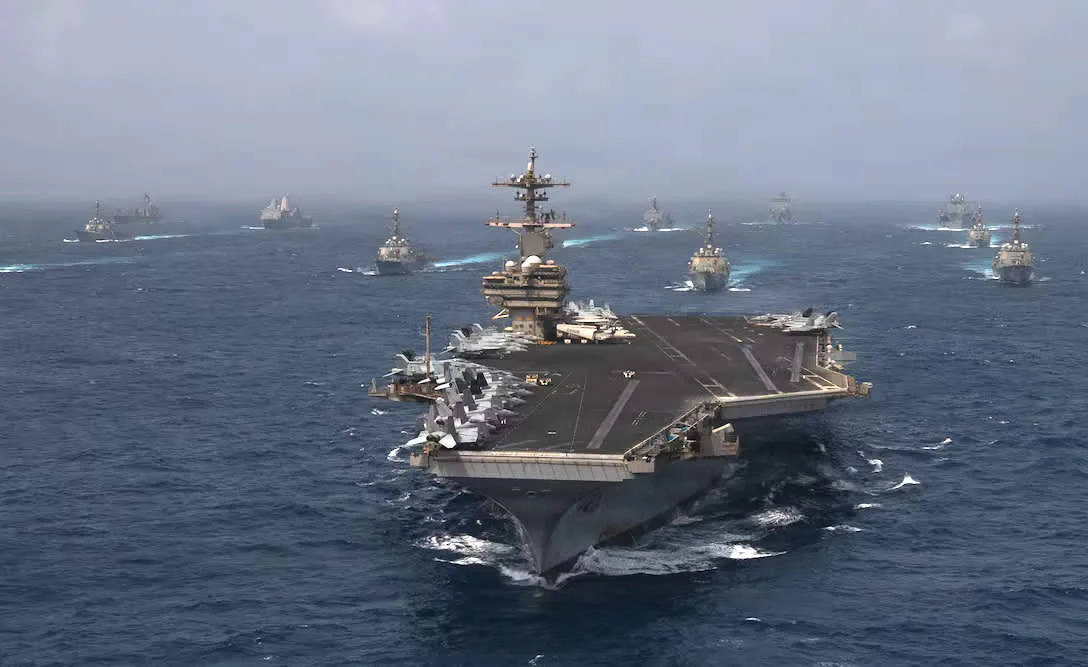
The Trump administration has abandoned the airstrike playbook and gone straight for Iran's wallet. After roughly a dozen waves of airstrikes in July failed to compel Tehran to surrender its claim over the Strait of Hormuz, Washington has pivoted hard — deploying the U.S. Navy to choke off Iranian oil exports directly at the source.
This is economic warfare in its most literal form. A naval blockade targeting Iran's petroleum lifeline hits the regime where it genuinely hurts: crude oil is the engine of Iran's entire state budget. Cut the exports, cut the revenue, cut the regime's ability to fund its military posture in and around Hormuz. The logic is brutal and straightforward.
Read more Colorado Dems Field Odd-Couple Ticket to Retake Congress →
For traders, this shift matters enormously. The move from kinetic military action to an economic stranglehold signals the conflict is entering a longer, grinding phase rather than a short-term shock-and-done scenario. Oil markets need to price in sustained supply disruption risk, not just a one-week spike. Any vessel navigating the Gulf corridor is now operating under a completely different risk calculus.
The Strait of Hormuz remains one of the world's most critical energy chokepoints — roughly 20% of global oil supply passes through it. A prolonged U.S. naval presence enforcing export restrictions doesn't just pressure Iran; it restructures global energy flows and forces buyers, particularly in Asia, to scramble for alternative suppliers fast.
The administration is betting that financial suffocation succeeds where bombs did not. Whether Tehran blinks or digs in deeper will define the next chapter of this confrontation. Continue reading at US Top News and Analysis.