Venmo for College Tuition: Convenient or Costly Mistake?
Some universities now accept Venmo for tuition payments. Here's what you need to know before you hit send.
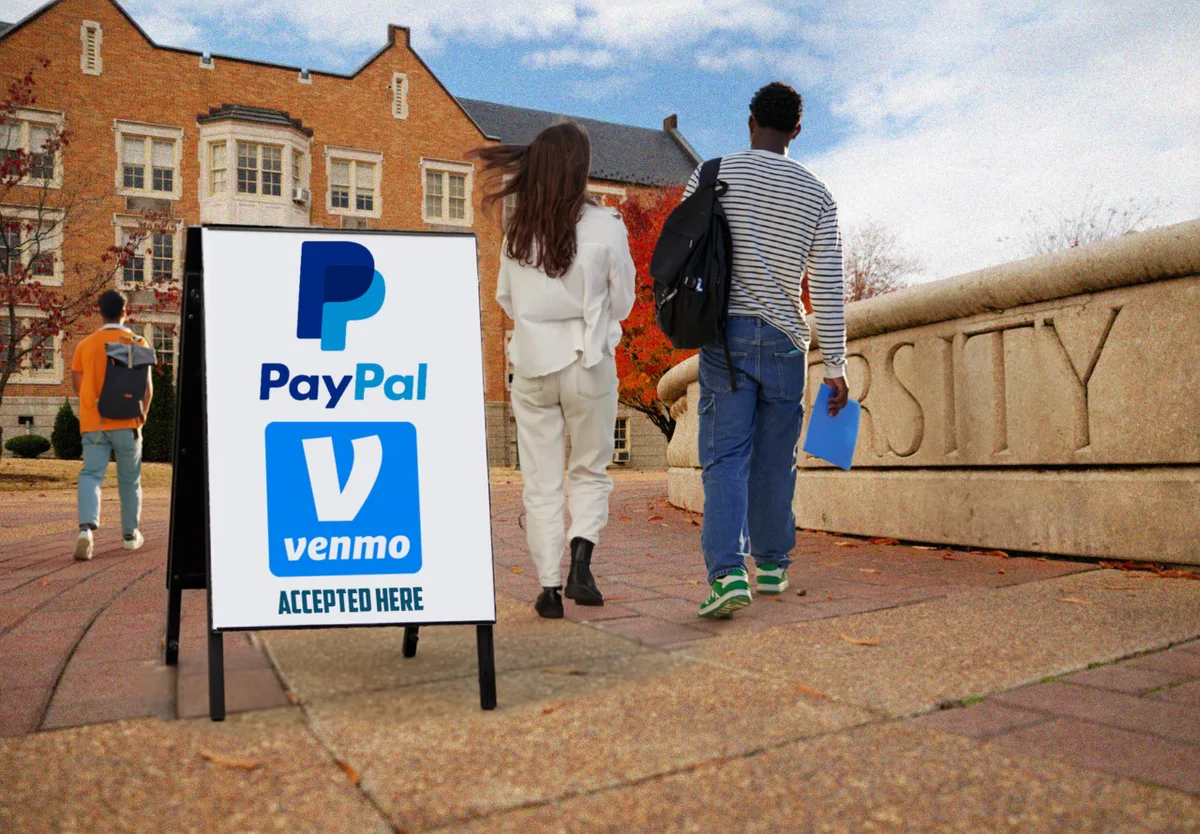
Paying college tuition just got a lot more 2025. Some universities are starting to accept Venmo as a legitimate payment method, bowing to consumer demand for flexible, app-based spending options. It sounds convenient — but convenience has a price, and you should know what you're signing up for before you tap that blue button.
Venmo is built for splitting dinner tabs, not five-figure semester bills. The platform's standard transaction limits and potential fees could catch you off guard fast. When you're moving thousands of dollars, even a small percentage fee turns into real money. Check whether your school charges a processing fee on top of Venmo's own structure — those costs stack up.
Read more Costco Is Now Selling Medicare Advantage Plans In-Store →
There's also the paper-trail problem. Traditional tuition payments come with official receipts that matter when you're filing for financial aid, disputing a charge, or applying for education tax credits like the American Opportunity Credit. A Venmo transaction confirmation is not the same thing as an official university payment record. Make sure the school sends you formal documentation either way.
The trend reflects something bigger: consumers — especially younger families — want to manage every dollar from their phones. Universities that resist flexible payment options risk looking out of touch. But just because a school accepts a payment method doesn't mean it's the smartest move for your wallet or your records.
Bottom line: if your school offers it and the fees are zero, it's a non-issue. If there's any cost or ambiguity around documentation, stick with a direct bank transfer or the school's official payment portal. Don't let convenience cost you a scholarship appeal or a tax break. Continue reading at MarketWatch.com