What Traders Get Wrong About the AI Data Center Boom
AI hype is driving data center investments, but the evidence tells a different story than Wall Street expects.
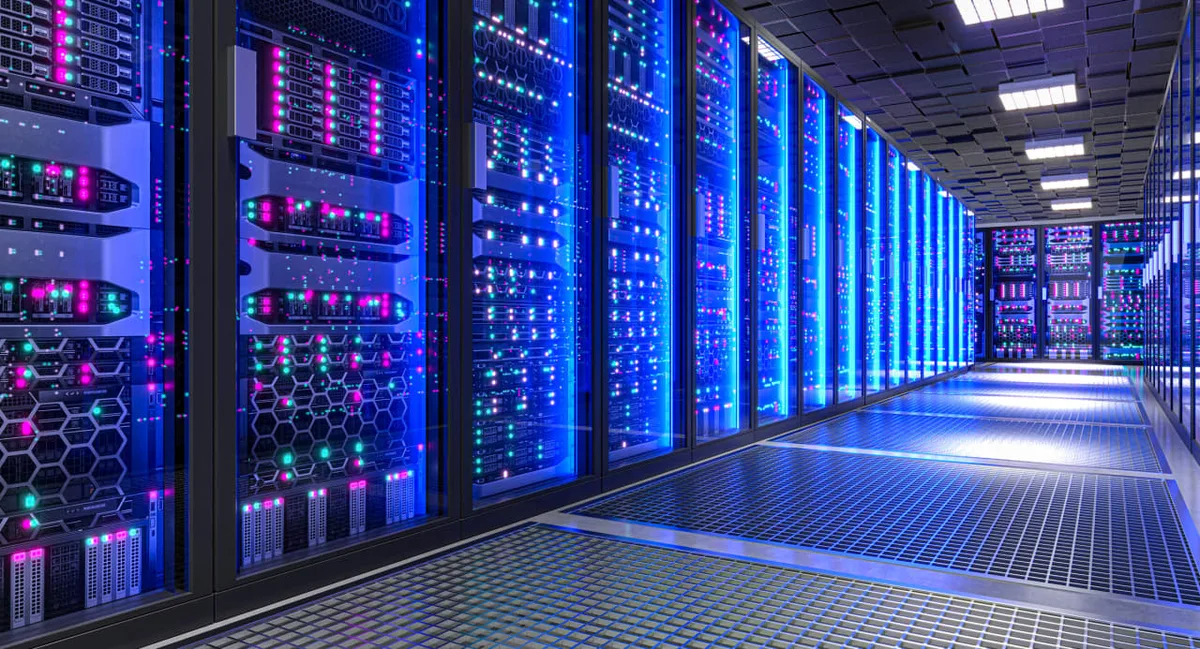
Everyone's betting on data centers right now. AI is the hottest trade on the street, and the assumption is simple: more AI means more data centers means more money. But that logic might be costing you.
The AI hysteria has a way of making crowded trades look like obvious ones. When every analyst, every fund, and every retail account is piling into the same infrastructure play, that's usually when the setup gets dangerous. The consensus is rarely where the alpha is.
Read more Cramer's 10 Market Movers to Watch in Stocks Friday →
Here's the hard truth: most of what the market believes about data center demand, capacity, and growth trajectories may not square with the actual evidence on the ground. That gap between narrative and reality is exactly where traders get wrecked — buying the story instead of the numbers.
Before you load up on another data center REIT or chip supplier riding the AI wave, it pays to stress-test your assumptions. Question who actually builds, who actually profits, and what the real utilization rates look like when the hype cools. The smartest trades aren't the loudest ones.
Continue reading at MarketWatch.com