Why Falling Oil Prices Won't Lower Your Gas Bill
Oil drops but pump prices stay high. Wall Street's grip on energy markets is keeping you stuck.
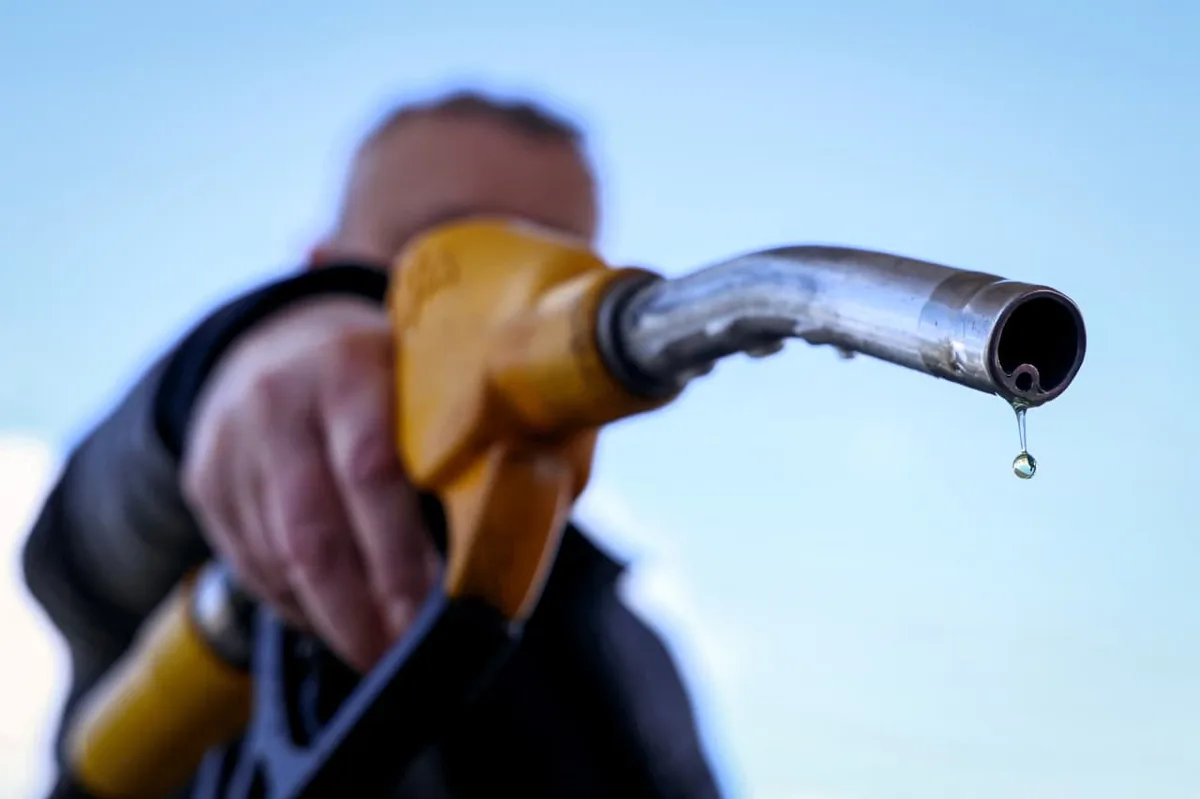
Here's the dirty secret nobody at the pump wants to hear: even when crude oil prices fall, your gas bill doesn't budge. The Iran conflict isn't the villain draining your wallet — Wall Street is. Traders, speculators, and financial middlemen have built a system where energy prices move on their terms, not yours.
The oil market and the gasoline market don't move in lockstep the way most people assume. Refiners, distributors, and commodity traders all take their cut along the way. By the time crude becomes the gas in your tank, it's passed through enough financial hands that a drop in barrel prices barely registers at the pump. That asymmetry is real, documented, and infuriating.
Read more Apple Q3 2026 Earnings Preview: What to Watch This Quarter →
Geopolitical flare-ups like the Iran situation give politicians and oil companies a convenient excuse to justify higher prices. But when the tension cools and crude softens, those savings rarely pass through to consumers at the same speed. Prices rocket up fast and drift down slow — traders call it "rockets and feathers," and it's been the playbook for decades.
As a retail investor or everyday consumer, understanding this dynamic matters. Energy stocks and energy ETFs can still rally even in a falling crude environment because margins for certain players actually widen when input costs drop but retail prices hold firm. That's the trade hiding inside the trap you're already living in.
Continue reading at MarketWatch.com