Why Kevin Warsh Should Hold Rates Steady at July Fed Meeting
Three key forces are pushing the new Fed chair toward a pause. Here's what traders need to watch this week.
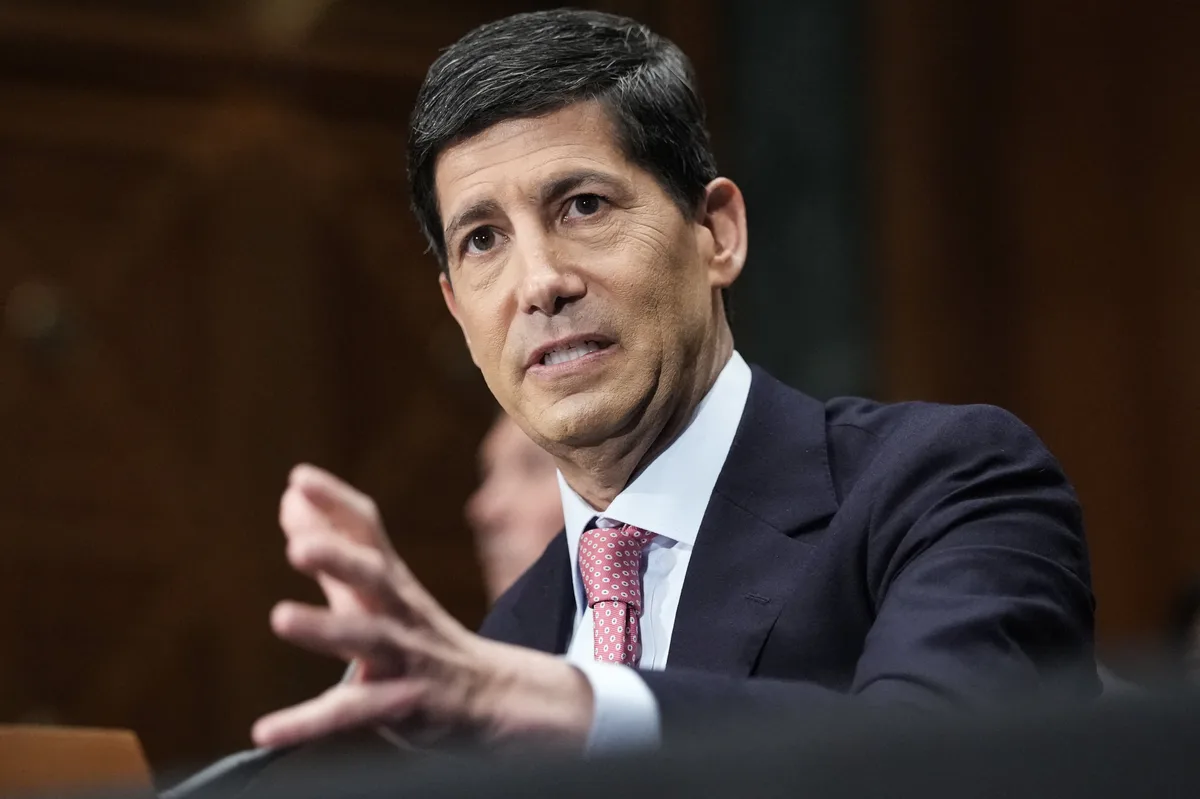
Kevin Warsh steps into the spotlight at this week's Federal Reserve meeting, and all eyes are on whether the new chairman blinks. Three distinct pressures are pulling him toward holding rates steady — and if you're trading anything rate-sensitive, you need to understand each one.
First, energy shocks are back in the conversation. Volatile oil prices create the kind of supply-side inflation that rate hikes can't easily fix. Raising borrowing costs when energy is the culprit risks crushing growth without actually solving the price problem. Warsh knows this. A smart chair doesn't fight the wrong war.
Read more 5 Earnings Charts to Watch Beyond the Mag 7 This Week →
Second, AI-driven price pressure is a genuinely new variable that the Fed's traditional models weren't built to handle. Productivity gains from artificial intelligence could be deflationary over time, but the near-term investment surge is pushing costs higher in specific sectors. Warsh needs more data before making a move he can't easily reverse. Patience here isn't weakness — it's discipline.
Third, political heat from the White House is real. Trump has made no secret of wanting lower rates. That pressure cuts both ways for Warsh: hike and prove independence, or hold and look like you're playing ball. Holding this week lets him buy time without appearing to capitulate — especially if the economic data genuinely supports a pause. The Fed's internal task forces on these issues are reportedly still active, meaning the institution itself isn't ready to call the all-clear.
Bottom line: Warsh's first big meeting is a chess match, not a coin flip. Watch his press conference language as closely as the decision itself. Forward guidance will move markets harder than the rate call. Continue reading at US Top News and Analysis.