World Cup 2026 Drew Bipartisan Fans Despite Trump's Role
Nearly half of registered voters tuned in, with income and education driving viewership more than political party.
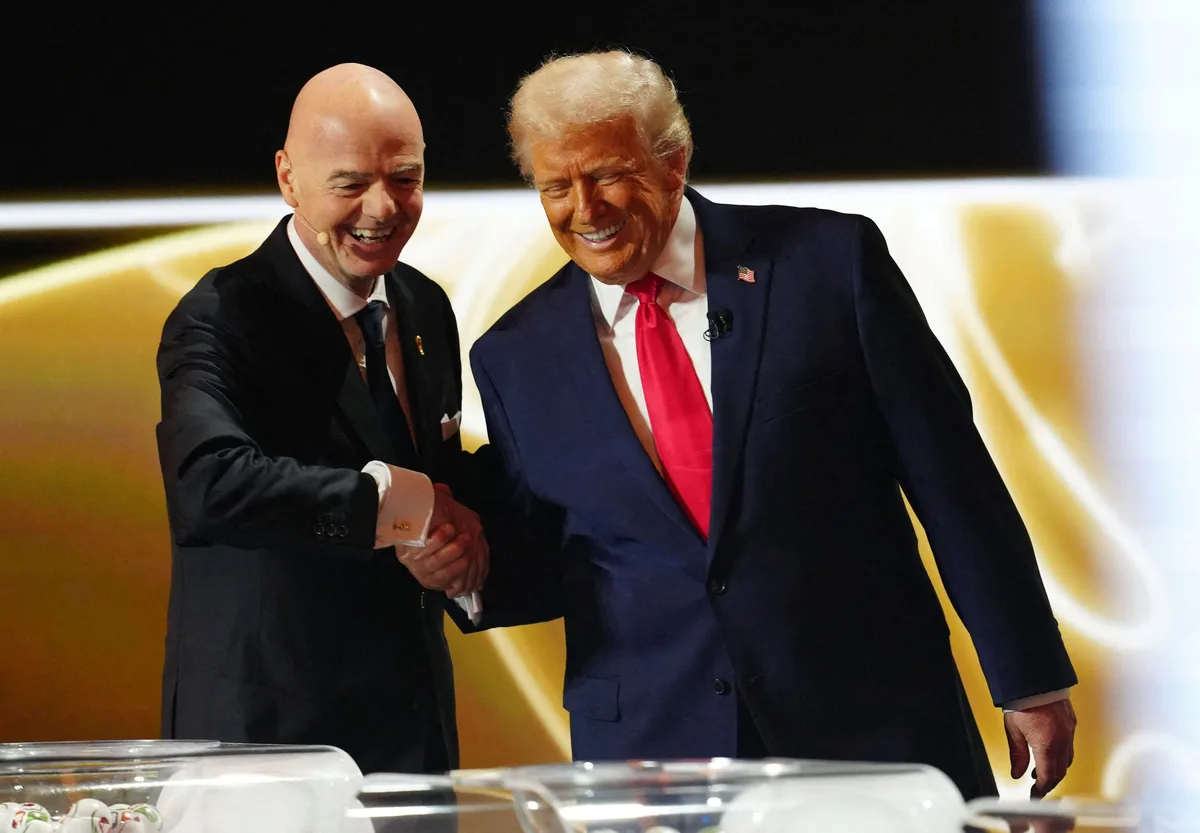
The 2026 FIFA World Cup pulled in a massive American audience — and politics barely dented the numbers. A new CNBC survey found that close to half of all registered voters watched the tournament, a striking figure that cuts across the usual partisan divides that define nearly every cultural moment right now.
Trump had a prominent role tied to the event, which many analysts expected to polarize viewership. It didn't. The data shows that whether you're a Democrat or Republican, Americans showed up for the soccer. That's a rare unifying data point in today's fractured media landscape — and a big deal for advertisers and broadcasters banking on the sport's US growth.
Read more Markets Brace as Iran Attack Kills Two US Troops →
What actually moved the needle on who watched? Income and education. Higher-earning, more educated households tuned in at greater rates, suggesting the World Cup still skews toward a specific demographic profile rather than achieving truly broad-based penetration across every American household. That's the tradeable insight here — the sport is growing, but it's not yet a true everyman event like the NFL.
For investors watching media stocks, streaming platforms, and sports rights deals, this survey is signal, not noise. A bipartisan audience that's affluent and educated is exactly the advertiser-friendly demo that commands premium CPMs. The 2026 World Cup may have just proved the US soccer market is more monetizable than the skeptics thought. Continue reading at US Top News and Analysis.