9th Circuit Blocks Prediction Markets, Supreme Court Clash Looms
A federal appeals court ruled sports event contracts aren't swaps, splitting with the 3rd Circuit and teeing up a Supreme Court showdown.
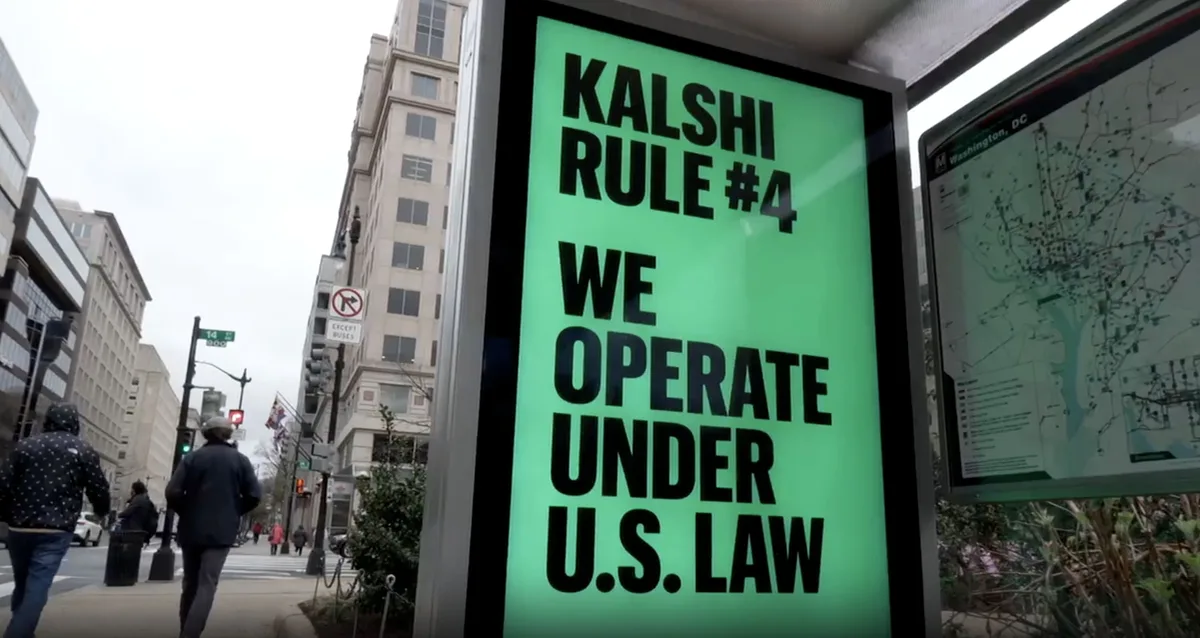
The 9th U.S. Circuit Court of Appeals just dropped a ruling that prediction market bulls are not going to like. The court decided that sports-related event contracts do not qualify as swaps — a classification that matters enormously for how these markets can legally operate in the United States.
Here's why this is a big deal: the 9th Circuit's decision directly contradicts a ruling the 3rd Circuit handed down in April. You now have two powerful federal appeals courts reading the same law in opposite directions. That's a circuit split, and circuit splits almost always end up at one place — the Supreme Court.
Read more BitGo Buys NYDIG's Institutional Trading Arm in Crypto Push →
For traders and platforms that have been betting on prediction markets finally getting a clear legal runway, this ruling is a speed bump at best and a roadblock at worst. The legal ambiguity around how these contracts get classified determines who can offer them, who can trade them, and under what regulatory framework the whole ecosystem has to operate.
The stakes here go beyond sports. Prediction markets have expanded into political events, economic indicators, and pop culture moments. A Supreme Court decision on whether these contracts count as swaps would reshape the entire industry overnight. Smart money says this fight isn't over — it's just moving to a bigger arena.
Continue reading at US Top News and Analysis.