US Navy Blockade Cuts Iran Oil Exports in Economic War Shift
After airstrikes failed to dislodge Iran from Hormuz, Washington is now squeezing Tehran through a naval blockade targeting oil revenues.
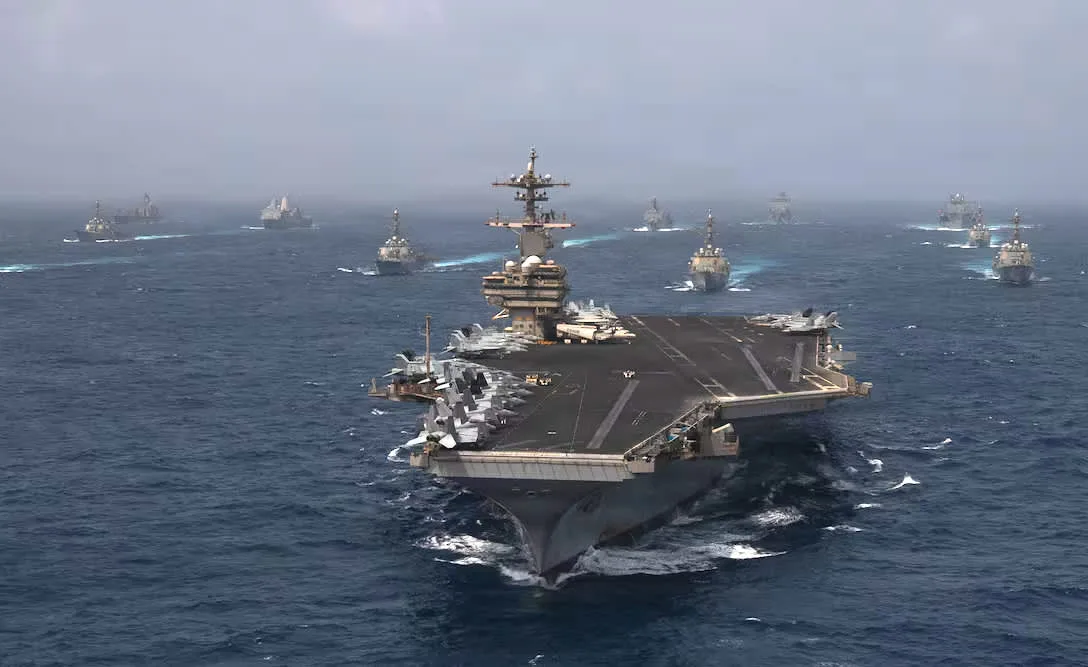
Washington is done playing nice. After roughly a dozen rounds of airstrikes in July couldn't force Iran to relinquish its grip on the Strait of Hormuz, the Trump administration has pivoted hard — deploying the US Navy to choke off the one thing Tehran can't afford to lose: oil export revenue.
This isn't a sanctions memo or a strongly worded statement. It's boots-on-water economic warfare, and the implications for global energy markets are immediate. Iran's oil exports are being slashed directly by naval interdiction, a move that removes Tehran's primary cash flow and dials up pressure on the regime faster than any diplomatic channel could.
Read more BitGo Buys NYDIG's Institutional Trading Arm in Crypto Push →
For traders, this matters right now. Any sustained disruption to Iranian oil supply tightens global crude availability. If the blockade holds and other producers don't fill the gap quickly, you're looking at upward pressure on oil prices that could ripple through energy stocks, inflation data, and Fed calculus. Watch the crude futures board closely.
The strategic logic here is straightforward: airstrikes create craters, but economic strangulation creates capitulation — at least in theory. The Trump administration is betting that cutting off Iran's financial oxygen will do what bombs couldn't. Whether Tehran bends or escalates is the trillion-dollar question hanging over energy markets and Middle East stability alike.
Continue reading at US Top News and Analysis.