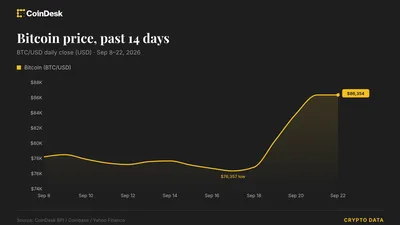
Bitcoin Bounces Back as Falling Oil Prices Lift Risk Assets
Bitcoin climbed off Asian-session lows as cheaper oil boosted broader risk appetite across global markets.
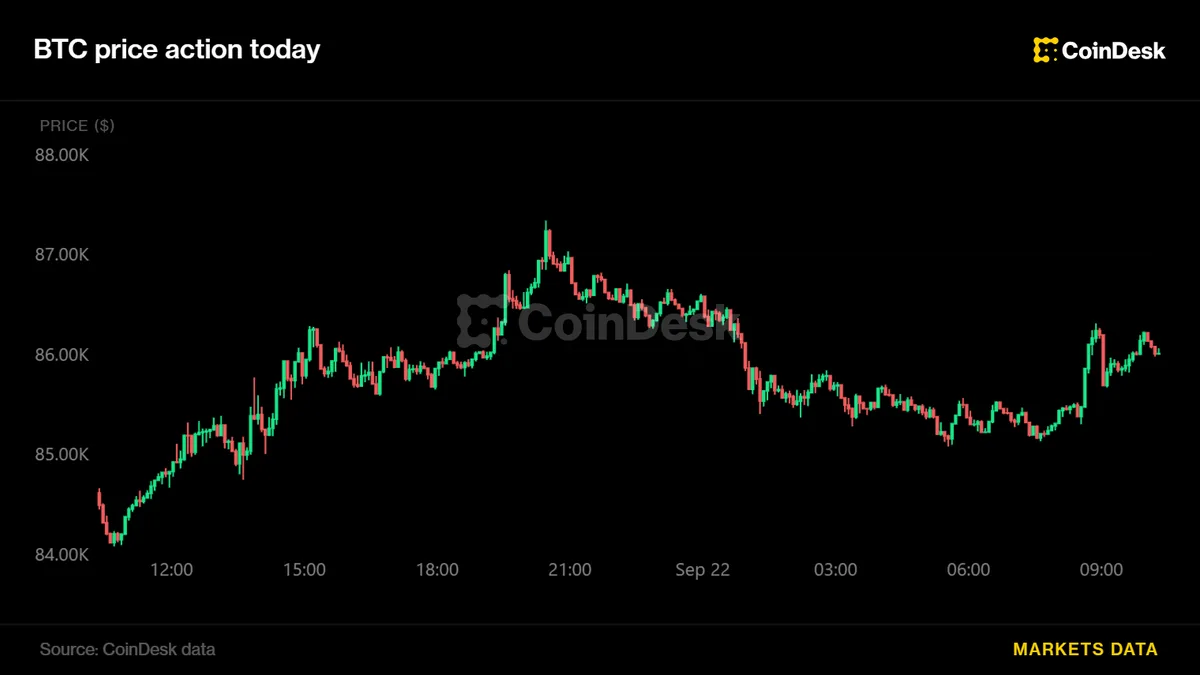
Bitcoin staged a quiet but meaningful recovery after getting beaten up during the Asian trading session, and the catalyst wasn't crypto-native at all — it was oil. Falling crude prices eased inflation fears, giving traders the green light to rotate back into risk assets, and BTC was a direct beneficiary.
When oil drops, the math is simple for risk markets. Lower energy costs mean less inflationary pressure, which reduces the odds of aggressive central bank action. That's a tailwind for everything from equities to crypto, and Bitcoin tends to move fast when macro winds shift in its favor.
Read more Sandisk Stock Surges as AI Demand Reshapes NAND Market →
The Asian session is historically thin on liquidity, so outsized dips during those hours don't always signal genuine bearish conviction. Savvy traders know that Asian-hour lows can be prime entry points — the kind of dislocation that evaporates quickly once European and US desks come online and real volume floods back in.
The broader takeaway here is that Bitcoin remains tightly tethered to macro sentiment. Love it or hate it, BTC doesn't trade in a vacuum. Oil, yields, and risk appetite are all inputs you need to watch if you're serious about timing entries and exits in this market.
Continue reading at CoinDesk.