Oil Slides on Iran Hormuz Hints While Bitcoin Holds $86K
Oil prices dropped after Iran signaled it may reopen the Strait of Hormuz. Bitcoin stayed resilient near $86,000.
Oil is taking a hit and traders are paying attention. Iran floated the possibility of reopening the Strait of Hormuz, a critical chokepoint for global energy shipments, and that's enough to send crude prices sliding. When that strait opens, supply fears ease — and so do oil prices. Simple supply-demand math.
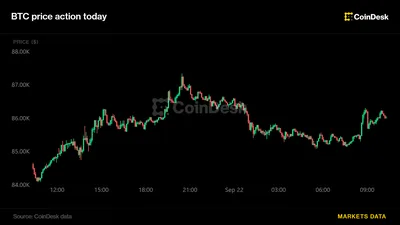
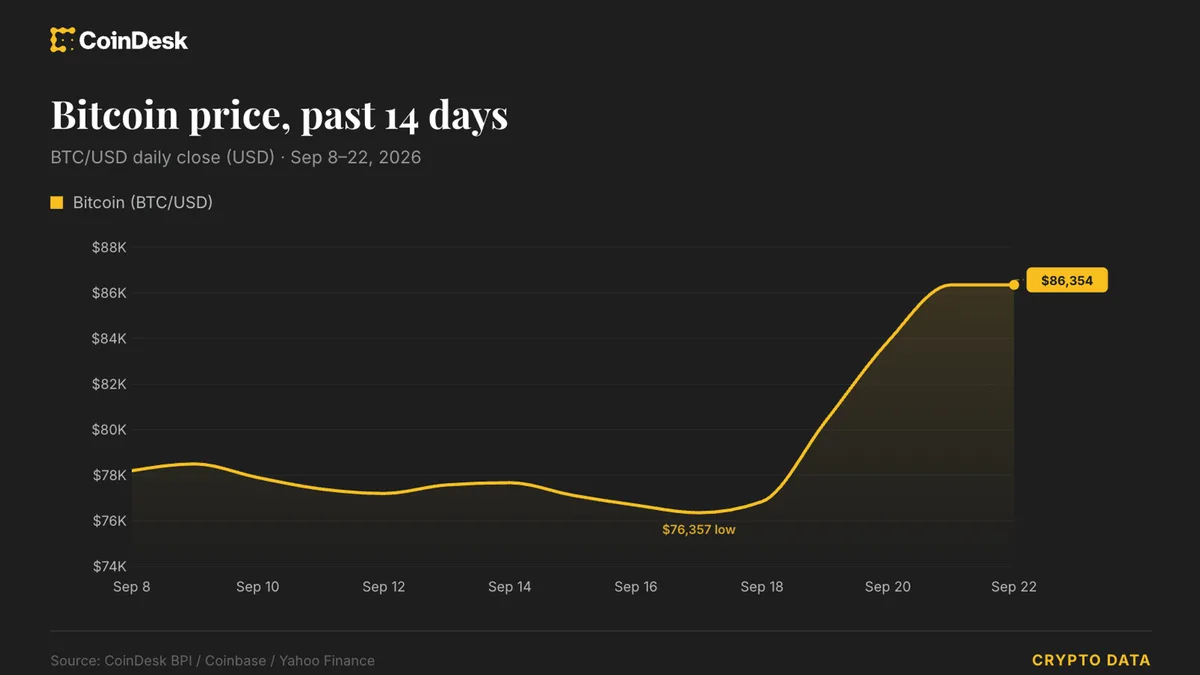
Bitcoin, meanwhile, is doing its own thing. The leading cryptocurrency is holding firm near the $86,000 level, showing a kind of stubborn resilience even as macro headlines whipsaw traditional markets. That kind of price stability in a noisy environment is worth noting if you're watching for directional conviction.
Read more Sandisk Stock Surges as AI Demand Reshapes NAND Market →
The two moves tell a broader story about how markets are currently pricing risk. Oil is reacting to geopolitical signals the moment they surface — that's a jittery, headline-driven trade. Bitcoin holding ground suggests crypto investors aren't panicking, at least not yet. Whether that calm lasts depends on how the Iran situation develops.
For traders, the Hormuz headline is a live variable. Any reversal in Iran's posture could send oil right back up, so don't get too comfortable on the short side of crude. On the Bitcoin front, $86,000 is the level to watch — a sustained break above or below that zone will tell you which way momentum is building. Stay nimble and keep your alerts set.
Continue reading at CoinDesk.