July Jobs Report Preview: Wall Street Braces for Weak Payrolls
Friday's jobs report could show just 83,000 new payrolls added in July, with unemployment holding at 4.2%.

Friday's July jobs report is dropping, and the number to watch is ugly: economists are penciling in just 83,000 nonfarm payrolls. That's not a typo. For context, anything under 100K starts raising serious eyebrows about labor market health, and this estimate comes in well below that threshold.
The unemployment rate is expected to hold steady at 4.2%, which sounds fine on the surface — but flat unemployment paired with weak hiring is a combo that tells a murkier story. The economy isn't shedding jobs at an alarming pace, but it's clearly not generating them either.
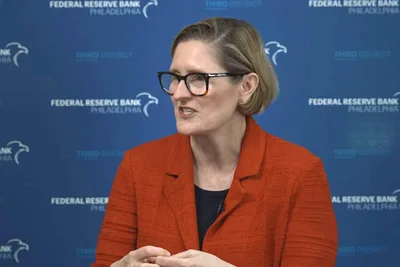
Read more Philly Fed's Paulson Backs Current Rate Levels, Stays Flexible →
For traders, this print matters. A miss to the downside on payrolls could reignite rate-cut chatter and send bonds rallying, while equities might get a short-term boost from the "bad news is good news" Fed playbook. A surprise beat, on the other hand, could complicate the Federal Reserve's calculus heading into the fall meeting cycle.
Bottom line: with just 83,000 jobs expected, the bar is low — but that also means the market reaction could be asymmetric. A beat surprises to the upside hard. A miss confirms what a lot of bears have been muttering about. Either way, you want to be positioned before the number hits Friday morning.
Continue reading at US Top News and Analysis